 Mobile app
A fall excursion to open waters for ultra-fresh seafood.
No one knows seafood quite like Troy, our in-house aficionado who's been decking out our selection since we first brought him on board three years ago. Growing up in a tiny coastal town in PEI alongside his fisherman father, seafood is to Troy what rooftop cherry tomatoes are to Lufa Farms - no joke. Who better to pick out our seafood selection than Troy himself?
And with the temperature slowly dropping, the oysters and mussels off Canada's eastern shoreline are plumping up with the teams over at Five Star Shellfish and Prince Edward Aqua Farms sending us shellfish a few days out of water. With this being prime time for seafood, keep scrolling to see what’s going on with our partner fisheries.
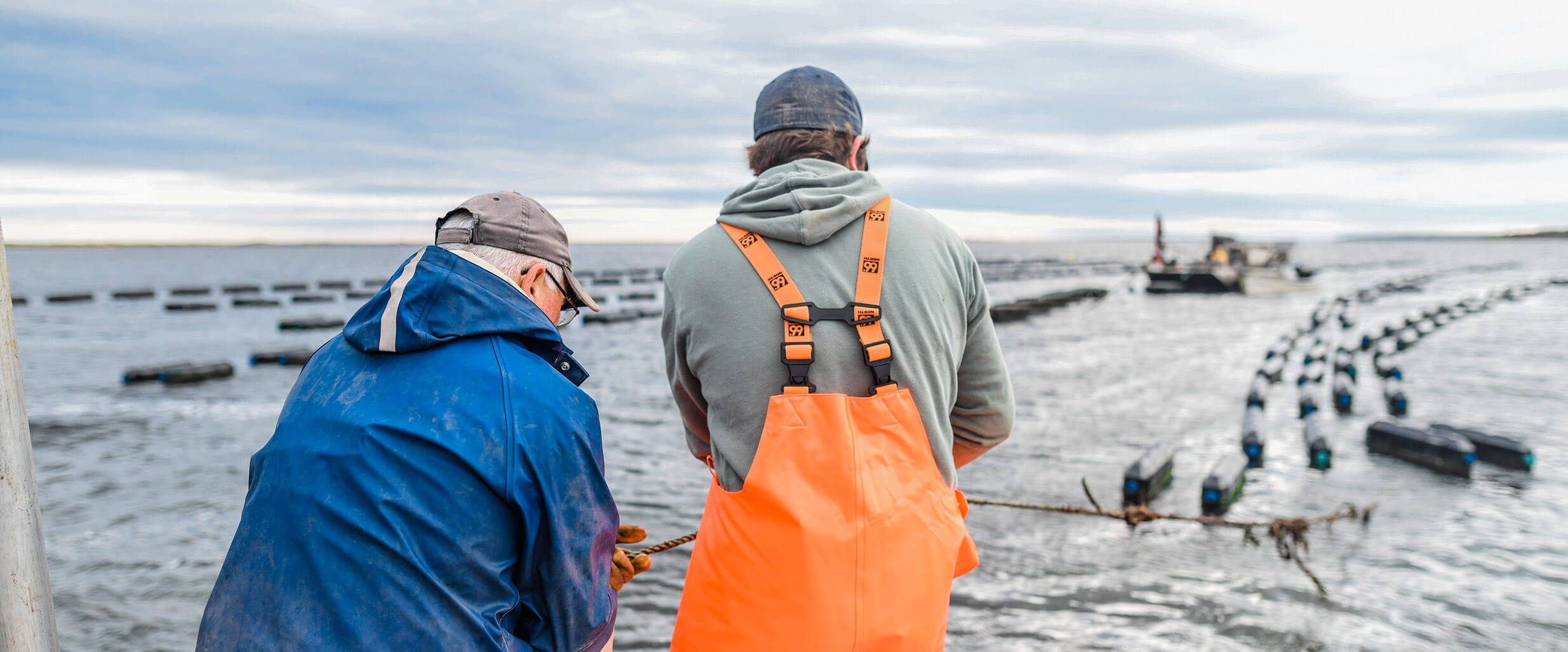
Five Star Shellfish - Milligan's Wharf, PEI.
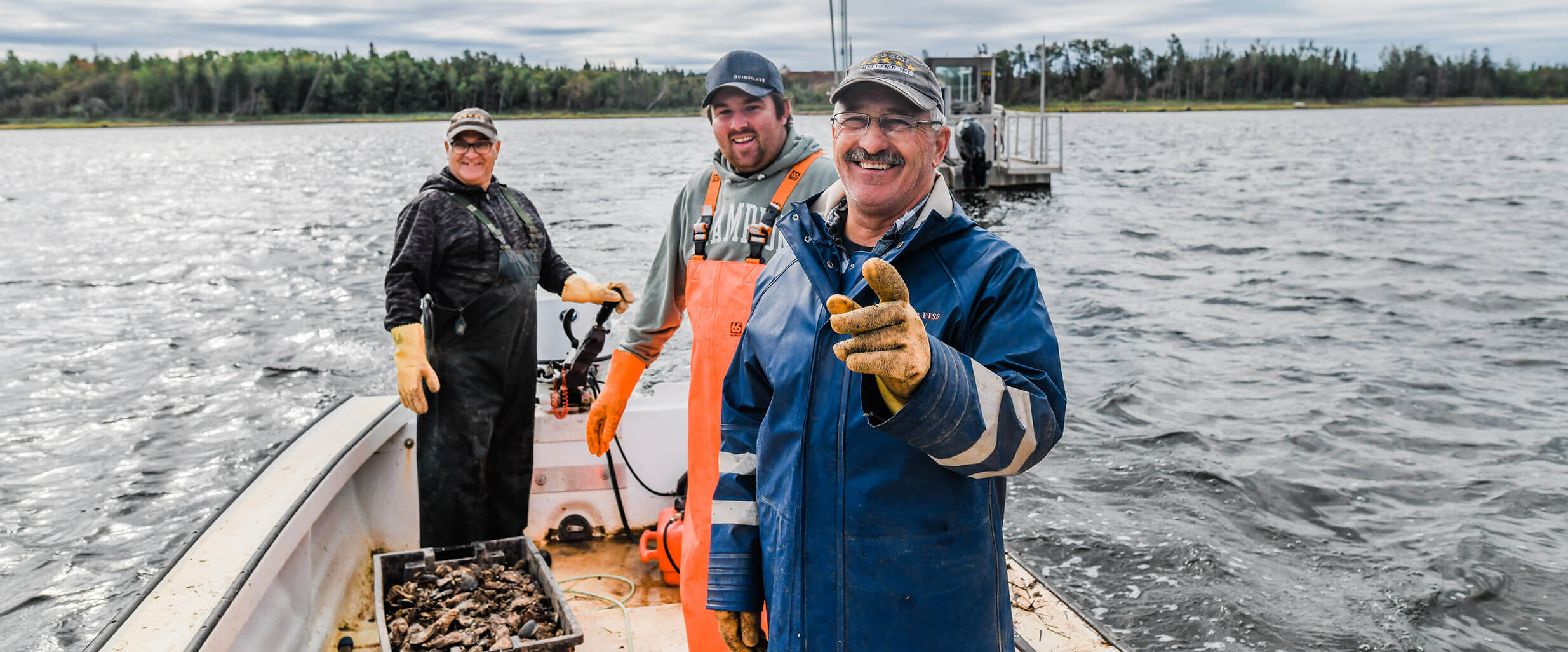 Katrina Kuzminer, our photographer and PEI correspondent, donned her rubber boots to capture our partner fishermen's best angles: Wyatt Jeffery (right) and his brother Gordon (steering the boat).
Anyone who knew them growing up could have predicted that Gordon and Wyatt Jeffery, and their sister Wanda Gaudet would open a shellfish business, and in 2001, they did exactly that, founding Five Star Shellfish. Working with more than 500 independent fishermen (including Troy’s dad before he hung up his guernsey), the team is able to deliver fresh oysters to us year-round.
Unlike other curious members of the shellfish family (like mussels), oysters stay put, not roaming around the seabed in search of food. Instead, they let the tides rock them back and forth (talk about relaxing).
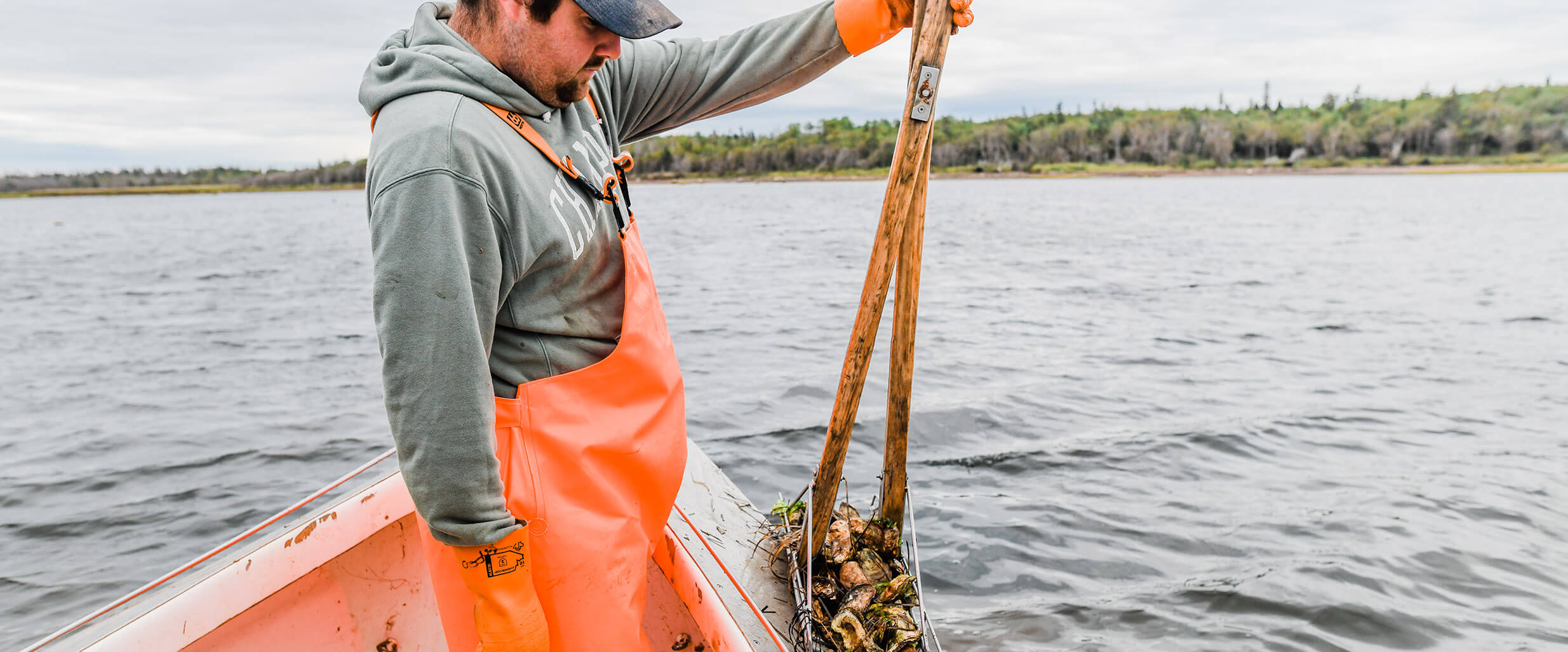
While 300 boats scour the island’s bay in search of wild oysters, the veteran fishermen working with Five Star already know all the best spots before the oyster beds drop off, while other boats make up to 800 dives a day to find the particularly fertile schools. An oystery-sense, if you will.
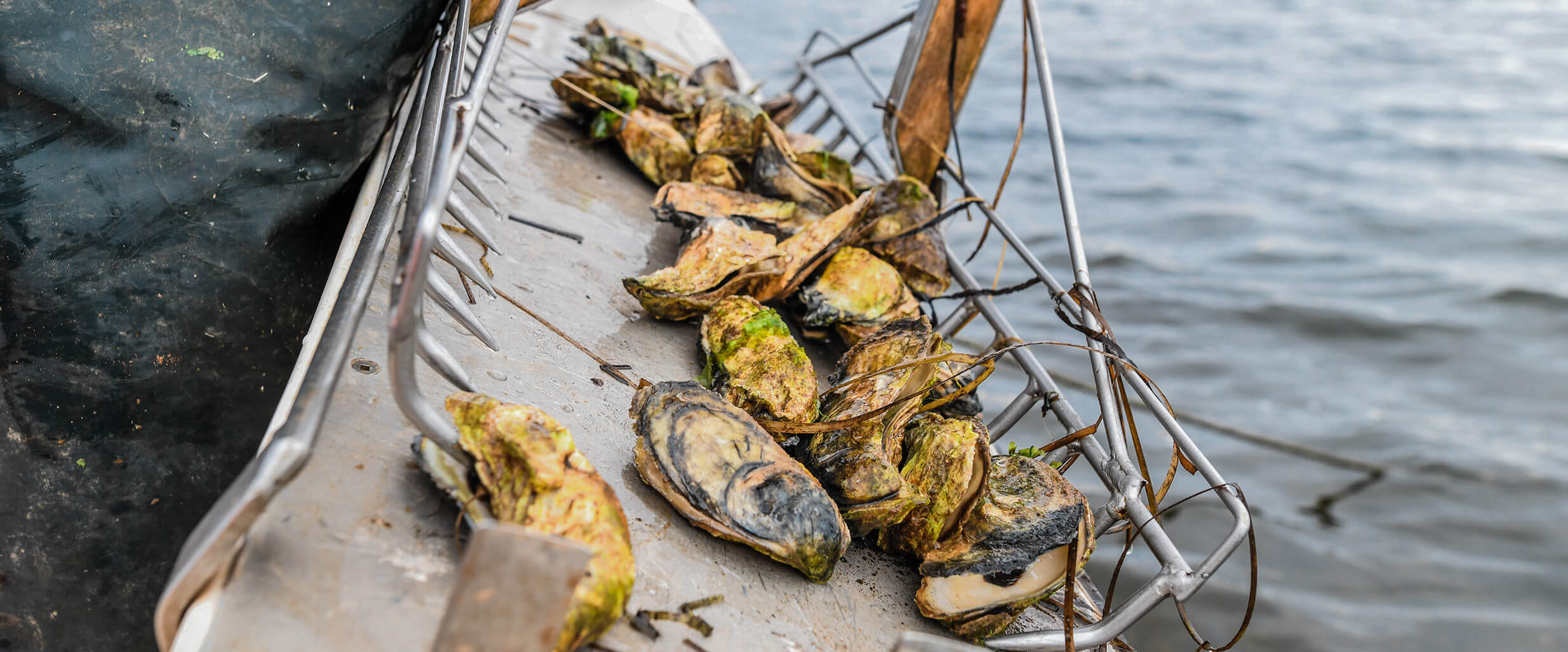
Using a precise technique that doesn’t disrupt marine ecosystems, the oysters are harvested with a pair of long oyster tongs measuring up to 12 feet to prevent bycatch and disruption of the marine ecosystem. Once on the boat, they measure and return any oysters that are too small to make sure nothing is wasted.
Once they’re brought back to shore, the oysters are graded, stored submerged in the bay (their natural habitat), and marked with a geolocation system before being submerged until they’re ordered. This allows them to offer optimal freshness all year long!
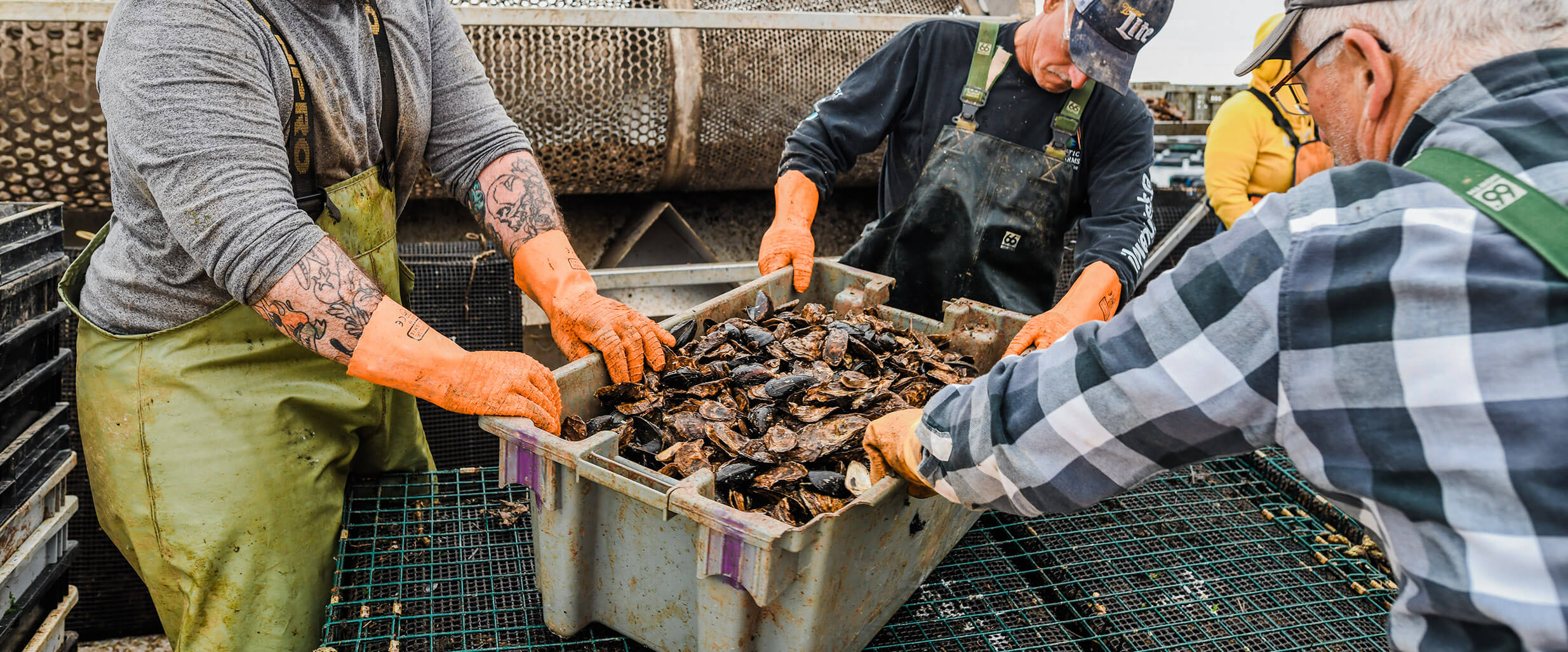
Once ordered, the oysters are brought out of the water and thoroughly cleaned before being packaged and then shipped the same day.
Prince Edward Aqua Farms - New London, PEI.
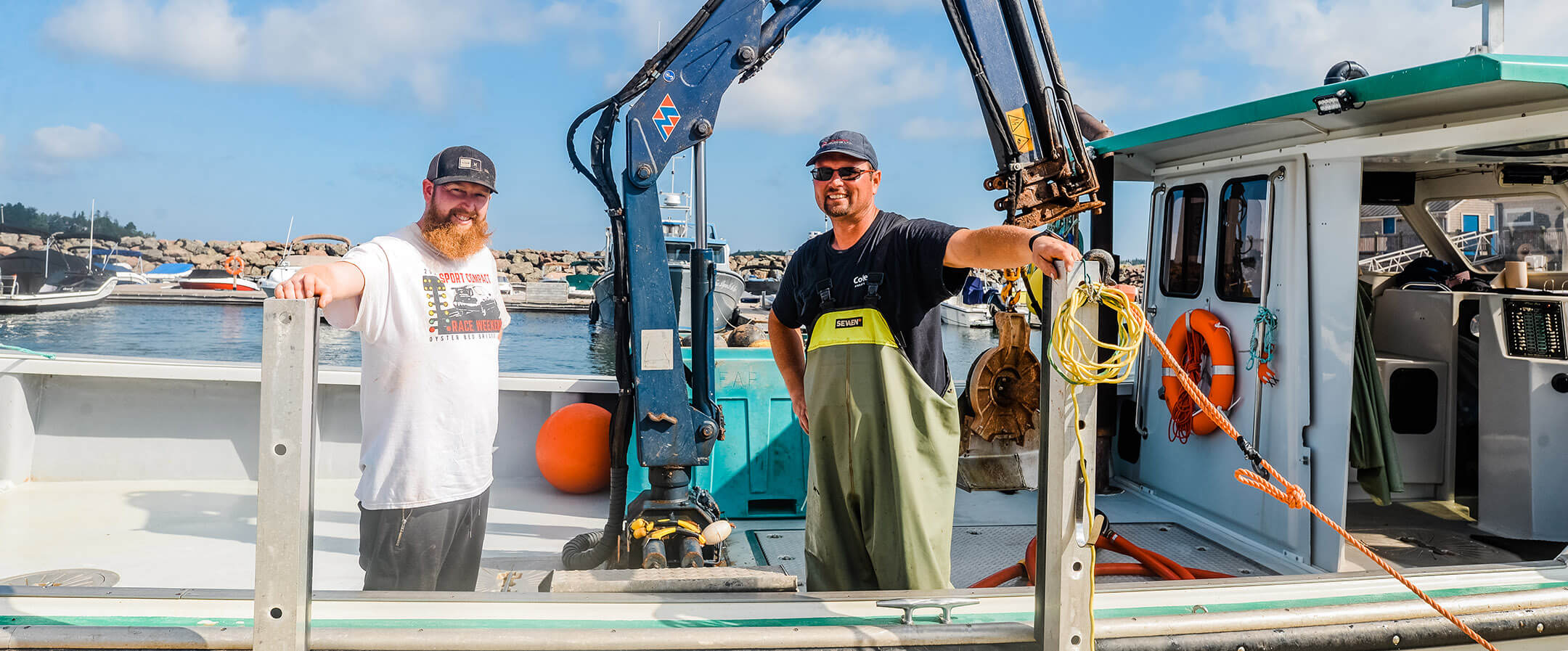
Located on the edge of the New London Bay, Prince Edward Aqua Farms has been cultivating mussels since 1987.
Harvesting mussels is no joke. Shortly after spawning season, baby mussels (also known as spat) are brought to the water’s surface using collectors that have been previously submerged - which mimic the rocks the spat would normally attach themselves to. They’re then moved to the bay waters closer to shore to be sorted by size.
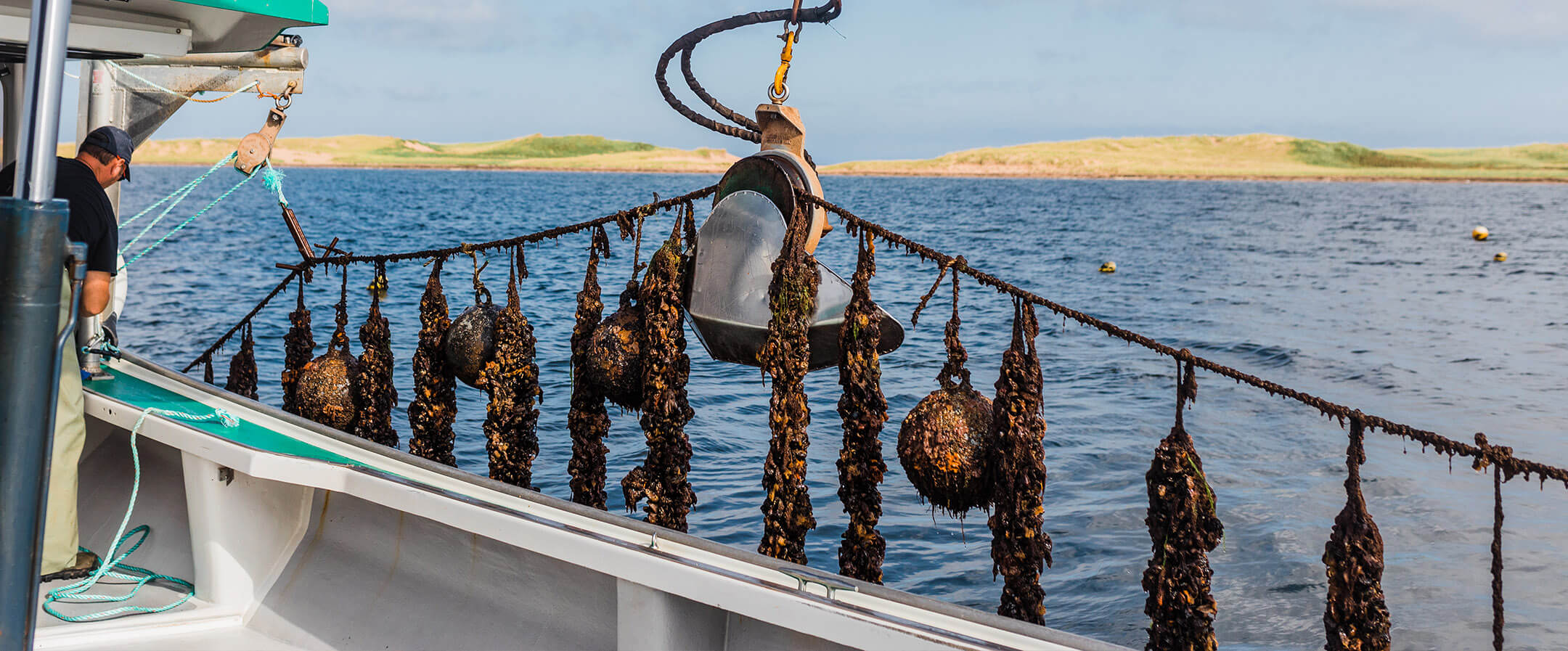
Once sorted, the mussels are then placed into mesh bags which are sent to surrounding bays that are stored at an ideal water depth which promotes natural growing and feeding conditions. They live and continue growing there for 24 months before reaching their prime size for harvest. Once an order is placed, they haul the mussels up a hydraulic line, rinse them on the boat, and bring them to shore, removing them from their bags, and cleaning them once more, and bringing them to PEAF’s homebase.
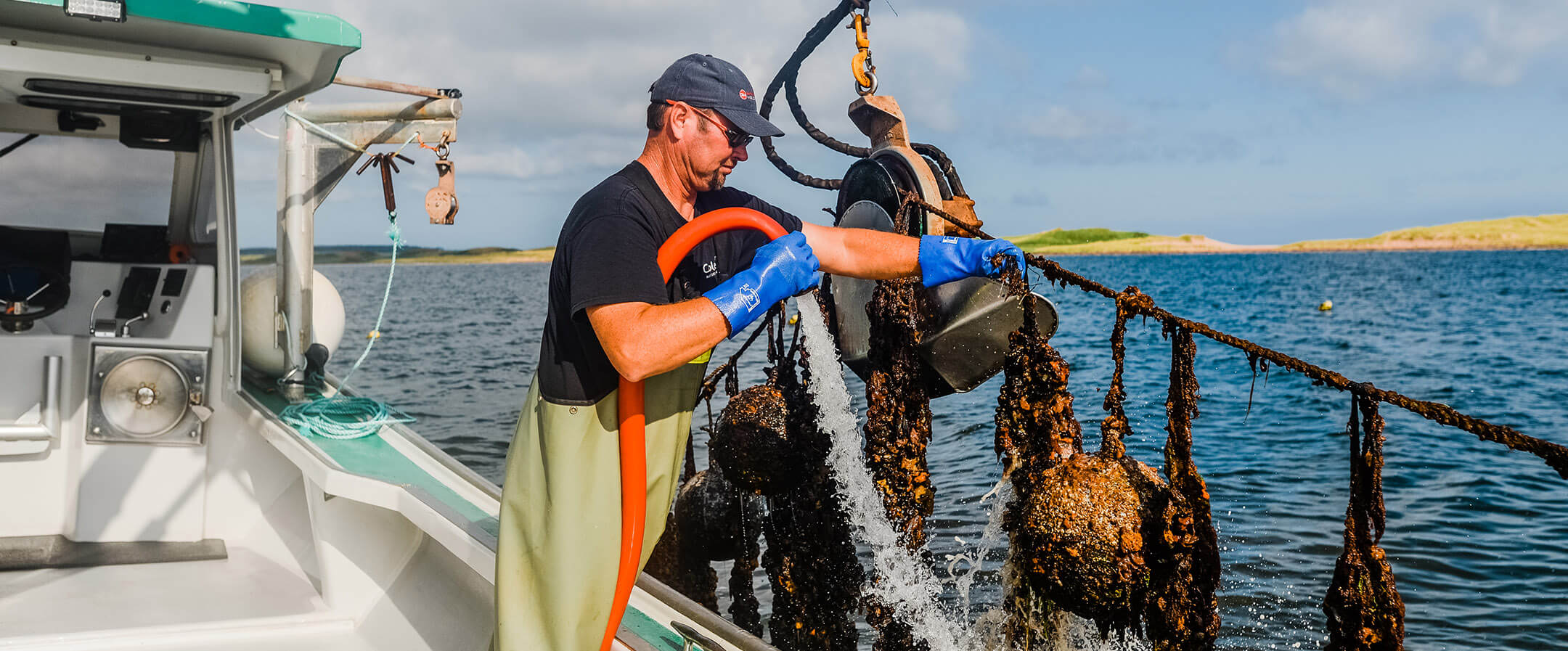
Back at PEAF, the team places them into tanks where they pump saltwater encouraging the mussels to spit out the sand and water a day or two before shipping. Talk about a process!
Arriving on your plates within days out of water, your mussels may still be open - a sure sign that they are fresh as can be. These little guys often close on their own after a few days.
Organic Ocean - Richmond, British Columbia.
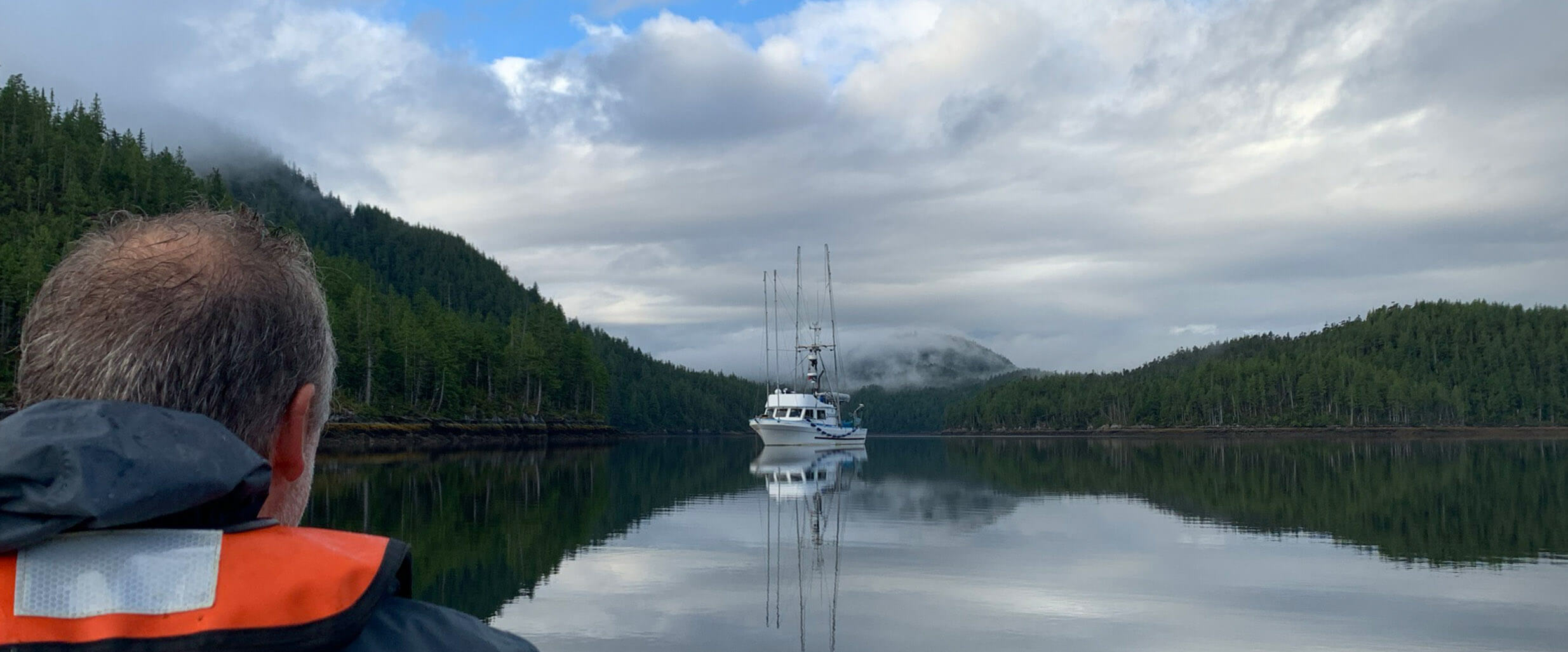 The Carte Blanche crew shared a few action shots from their last trip to the high seas in search of wild salmon.
Fishermen-run and based in Vancouver, Organic Ocean was founded by Dane Chauvel when he witnessed first-hand that his fish were getting mixed with those caught not so sustainably.
In response, he made it his life’s goal to prioritize responsible fishing and ensure traceability and sustainability of all his products. And he’s not alone - since then, Rob Fenton and Paul (Dane's son) have joined him in influencing many fishermen on the West Coast to follow in their more sustainable footsteps.
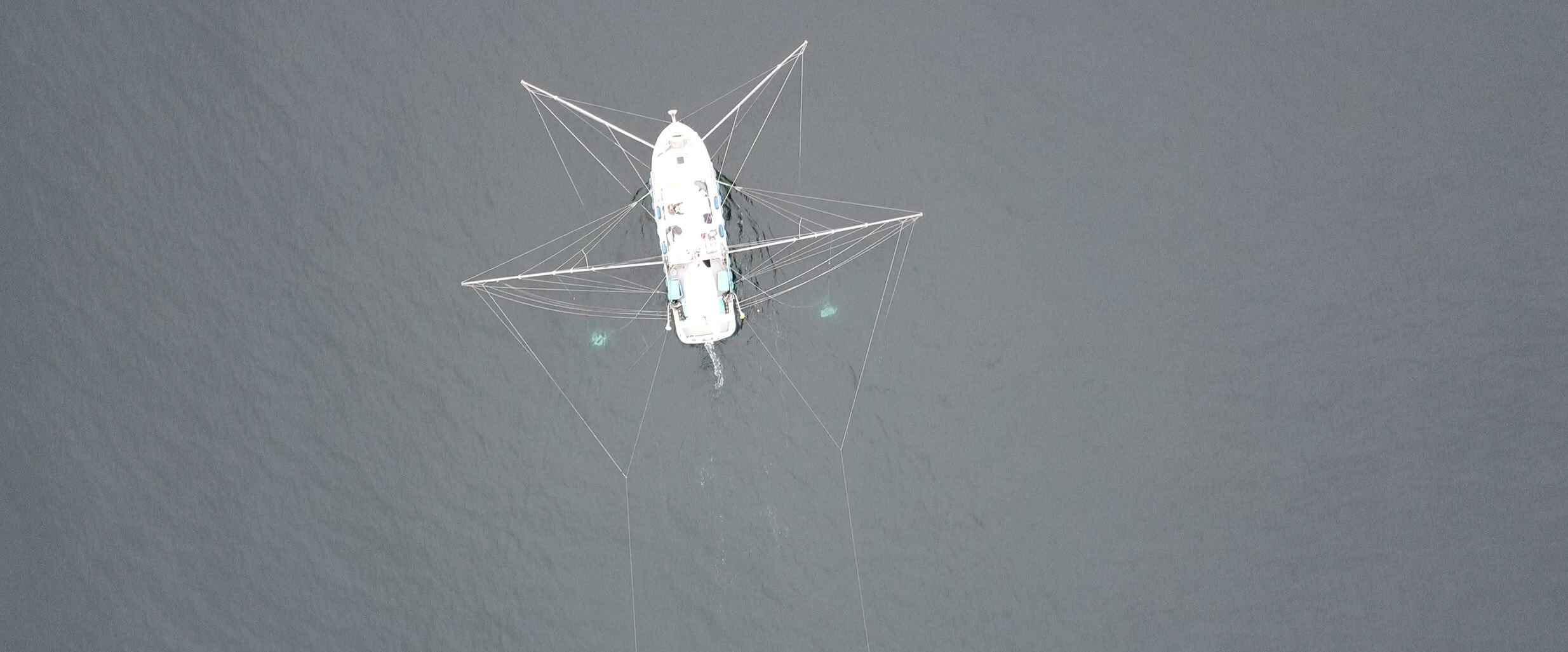
And although net fishing has a bad rep, it’s not always the case. Organic Ocean uses gill nets on the coast, to catch only straggler fish heading back to the river where they were born. This process targets salmon directly, preventing any bycatch. In addition to altering the nets specifically for the size of each catch, they never leave them behind - just another step that sets them apart from conventional fisheries.
The Organic Ocean team just got back from their recent fishing excursion. Despite the swell and its four-metre high waves, the strong 25-knot winds, and the inquiring sharks lurking around, the team returned safely from their trip to the west of the Haida Gwaii Archipelago (the islands at the edge of the world), bringing with them some new varieties of wild salmon, including Chinook (the filet mignon of their species) and pink salmon.
And as with all of these catches, our wild ones are frozen on the high seas and prepared as soon as they return to dry land for optimal freshness.