
 Mobile app
Your guide to the varieties and uses of dried legumes.
When winter leaves us with less fresh veg, it’s time to embrace the taste and versatility of dried legumes. These budget-friendly and hardy pantry staples can help keep your ingredients local while bringing in more creativity to your kitchen - that’s why we've put together a guide to help you discover the world of these dried gems.
Your dried legumes basics.
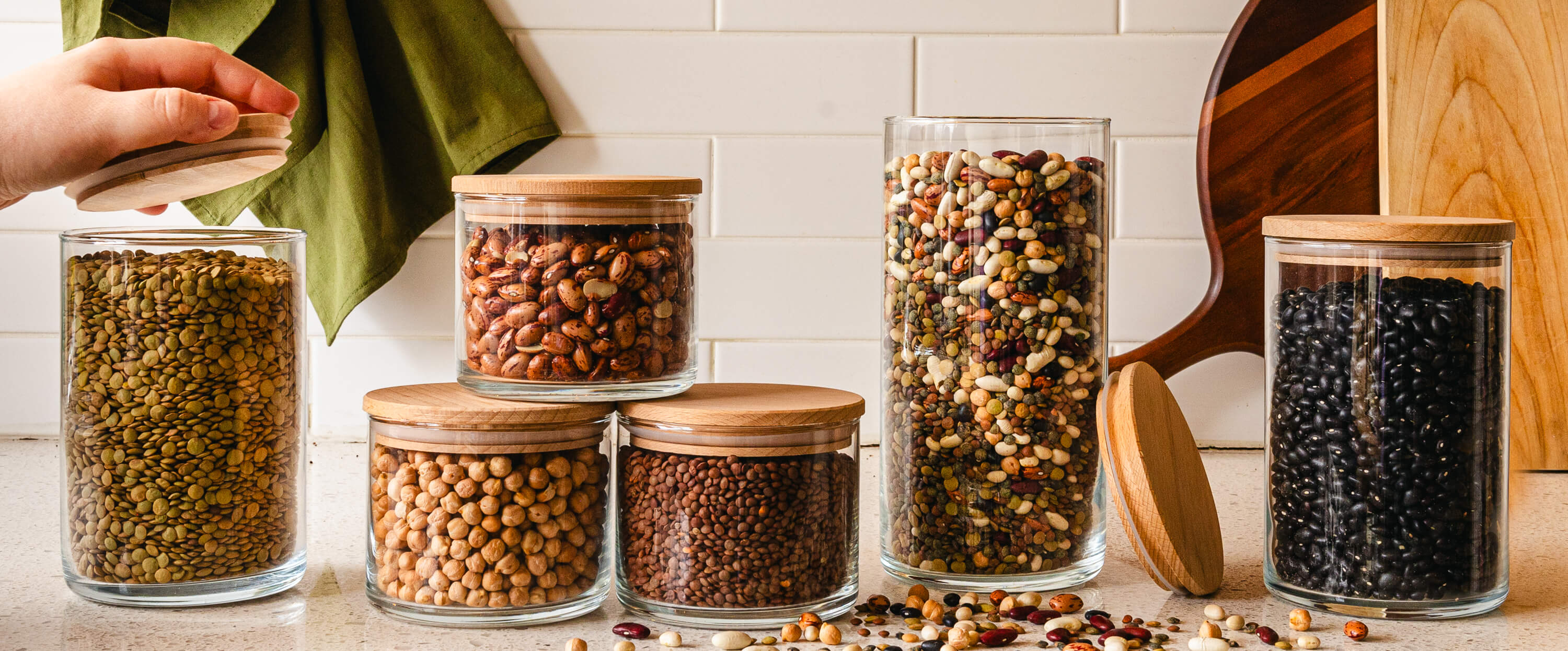
- How to store your legumes to keep them longer. You can keep your dried legumes in your pantry for up to a year for easy access. Once cooked, keep them in the fridge for a solid week or freeze them for up to six months.
- When to soak your dried legumes. To reduce their cooking time, soak your legumes overnight in a bowl of water or in a pinch, use a quick soak method by boiling them for two minutes before leaving them in the hot water for an hour. Tip! Lentils and peas don't require soaking.
- The difference between whole and split. Split peas and lentils are processed differently than their counterparts - a natural split occurs because they’re peeled, dried, and then skinned. This makes them easier and faster to cook, and their texture will be softer once ready to eat.
Peas.
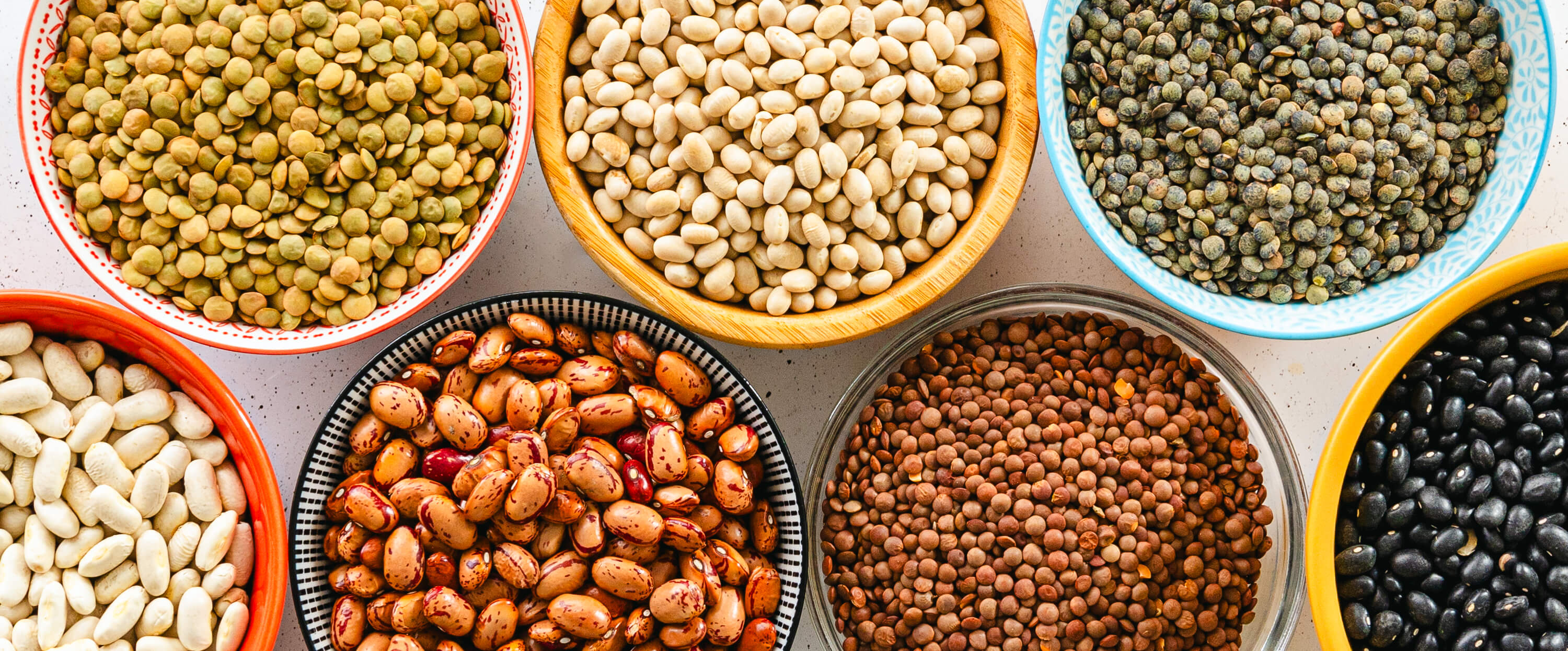
- Choose your colour. You’ll find green peas to be slightly sweet while yellow peas are a bit milder in taste.
- For a little firmness, whole peas are what you’re looking for. Use a ratio of one cup of dried peas to three cups of water, bring to a boil, simmer, and stir occasionally for 60 to 90 minutes.
- If you’re impatient, split peas are a faster option. Use a ratio of one cup of dried peas to 2 cups of boiling water and simmer for 30 minutes - they’ll become soft and ideal for dips like hummus.
- Split or not, peas will complete many dishes. For soups, cook them directly in the broth or add them in your salads like our halloumi quinoa bowl recipe.
Chickpeas.
- Cooking dried chickpeas. After an overnight or quick soak, they need to be simmered for an additional hour or until you reach the desired texture.
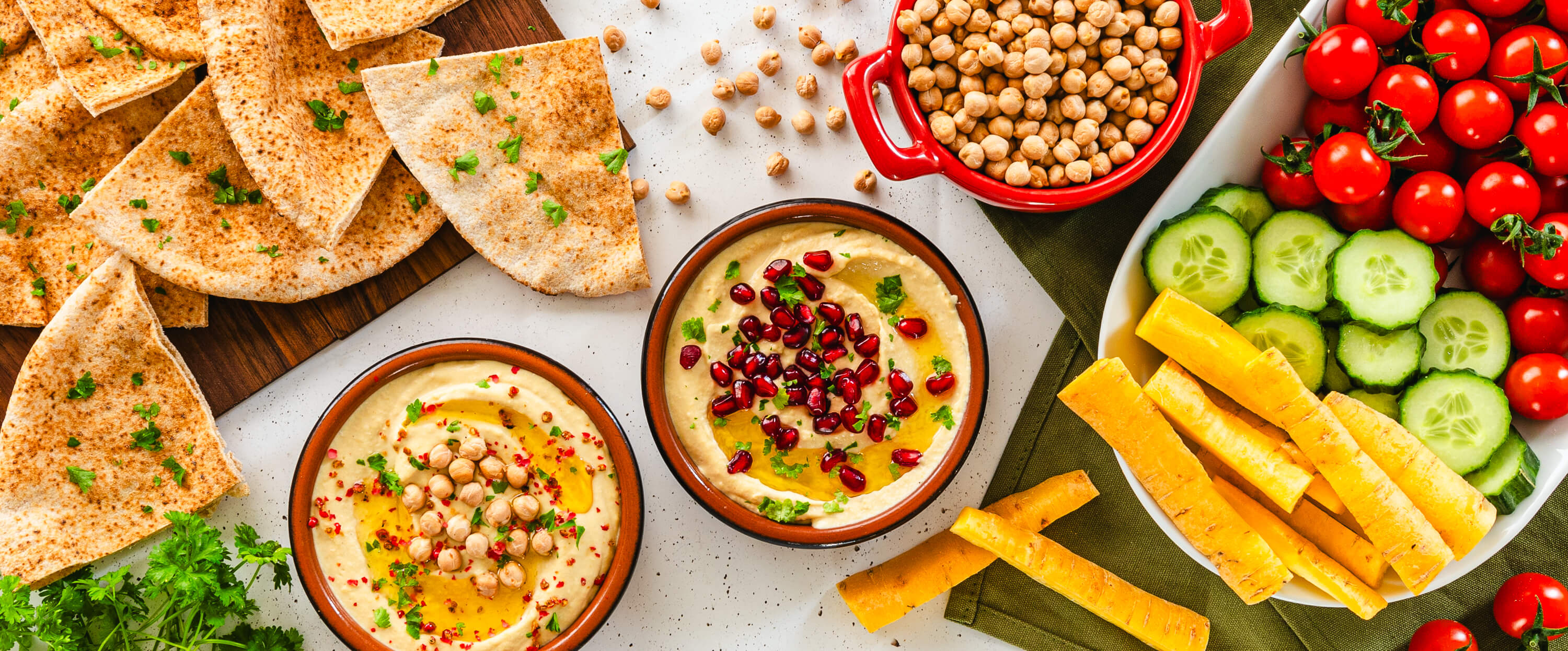
- How to make the most of them. With a mildly grainy texture, chickpeas are perfect for your soups, salads, pasta, or any dish. Roast and season your chickpeas for an easy snack, prepare our falafels with green tahini sauce, or go for a classic hummus (we top ours with fresh veg!).
Beans.
- Prep your beans. It’ll be hard to cook them without a pre-soak, and they’ll still need 60 to 90 minutes in boiling water.
- Choose your variety. Beans are interchangeable in most recipes, like our mac & chili and affordable vegan tacos.
- Pick your cuisine. For Mexican classics, pinto, black, and red kidney beans are most common while Portuguese and Italian dishes favour legumes with a creamy texture like borlotti (also known as cranberry) and cannellini beans.
Lentils.
- The possibilities are endless. Lentil bread, lentil sauce on quinoa, vegan lentil chili, or soup: these are just a few examples of recipes showing the versatility of these protein-rich pebbles. But even more exciting is their colourful range of varieties that require zero soaking!
- Brown and green lentils. The most common, brown lentils, retain their shape when cooked, making them ideal for salads, casseroles, and soups. Green lentils are super similar but with a peppery twist. For both, make sure to simmer for 35-45 minutes until tender.
- Red and yellow lentils. Common in Indian and Middle Eastern cuisine and known for their sweet, nutty taste, these lentils make the perfect dhal. They often come split, meaning they cook quickly (10-15 minutes) and thicken soups and stews they’re simmered in when they start to breakdown.
- Specialty varieties. Some are quite well known like black beluga lentils that are rich in flavour and resemble caviar, or Le Puy known for their peppery taste and dark blue-green colour. For both, cook for 20-30 minutes before mixing their earthy flavours into salads or using them as a base for any protein, meat, or fish dish.
Bon appétit!