 Mobile app
Sustainable cheesemaking from barn to ripening room.
Thanks to our incredible sustainable partners, the Marketplace is filled with 100+ local options to whip up a dreamlike cheese board - all for fair prices. To help us learn what it takes to make their cheese so darn good, the fams behind Fromagerie du Presbytère and Fromagerie Au Gré des Champs took us through their impressive ateliers and let us meet their adorable cows up close.
Fromagerie du Presbytère, Sainte-Élizabeth-de-Warwick, QC.
Jean Morin showed us around his childhood church which he transformed into Fromagerie du Presbytère. Dating back to the 1920s, it was refurbished about 15 years ago - along with the neighbouring presbytery that was fixed up in 2020 to be decked out with state-of-the-art cheese-making equipment.
No stranger to cheesy jokes, Jean works with his four children, whom he describes as soft in the morning and semi-firm at night. His grandchildren are even joining in on the action, adding a sixth generation to their cheesemaking magic. And his community continues to grow through a collab with his neighbour’s team Ferme Valaisanne to create a new unpasteurized goat's milk cheese.
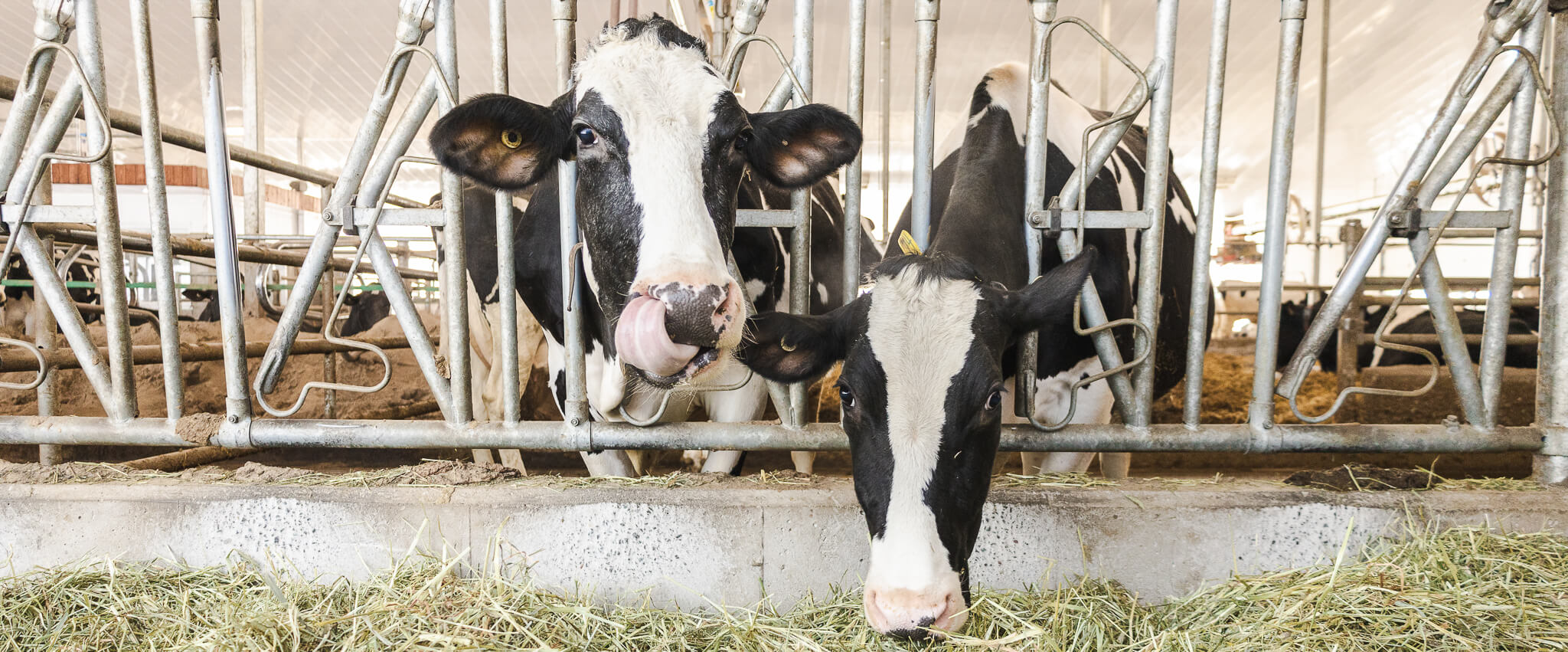
Jean and his family are self-sufficient, growing all their herd’s feed onsite. Every morning the milk from their 150 Holstein cows travels a mere 200 metres to their cheese factory. And to close the loop, the whey (a by-product of cheesemaking) is added back to the feed where the animals can benefit from its minerals, sugars, and proteins.
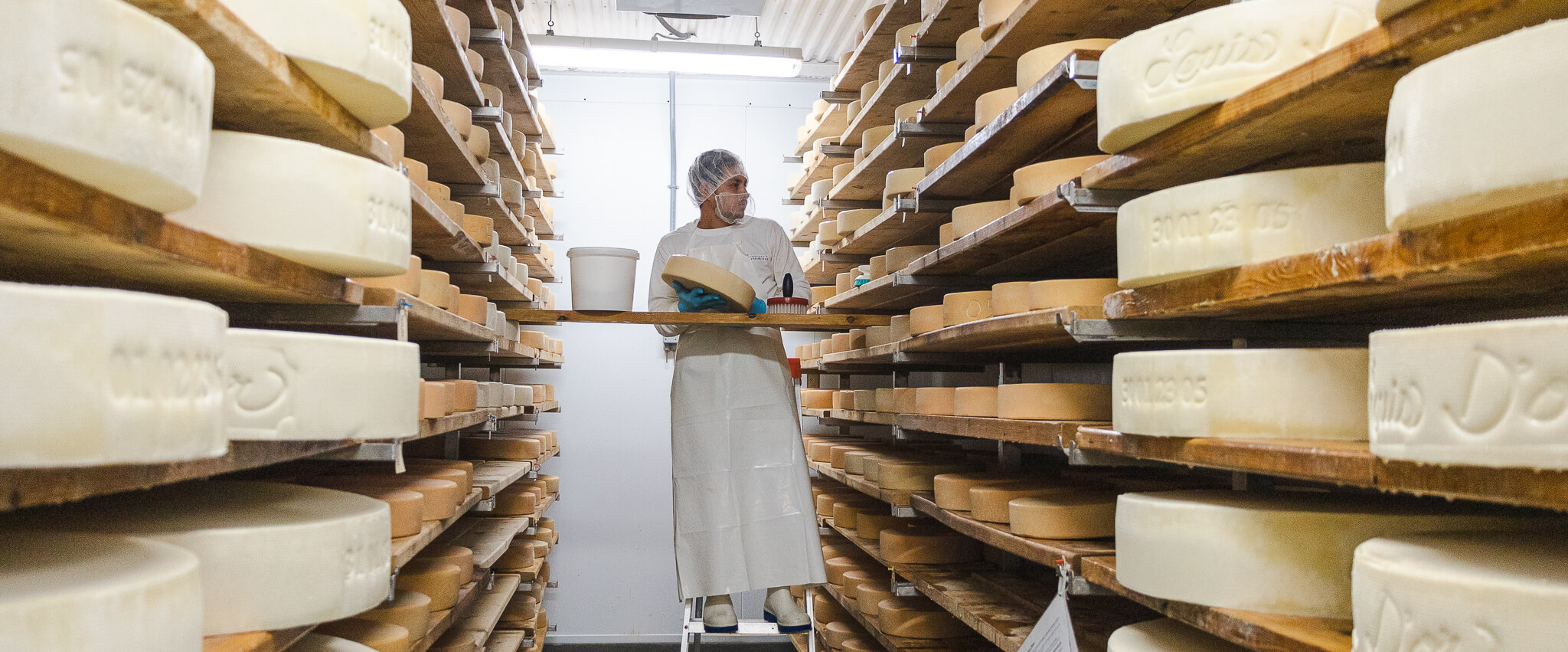
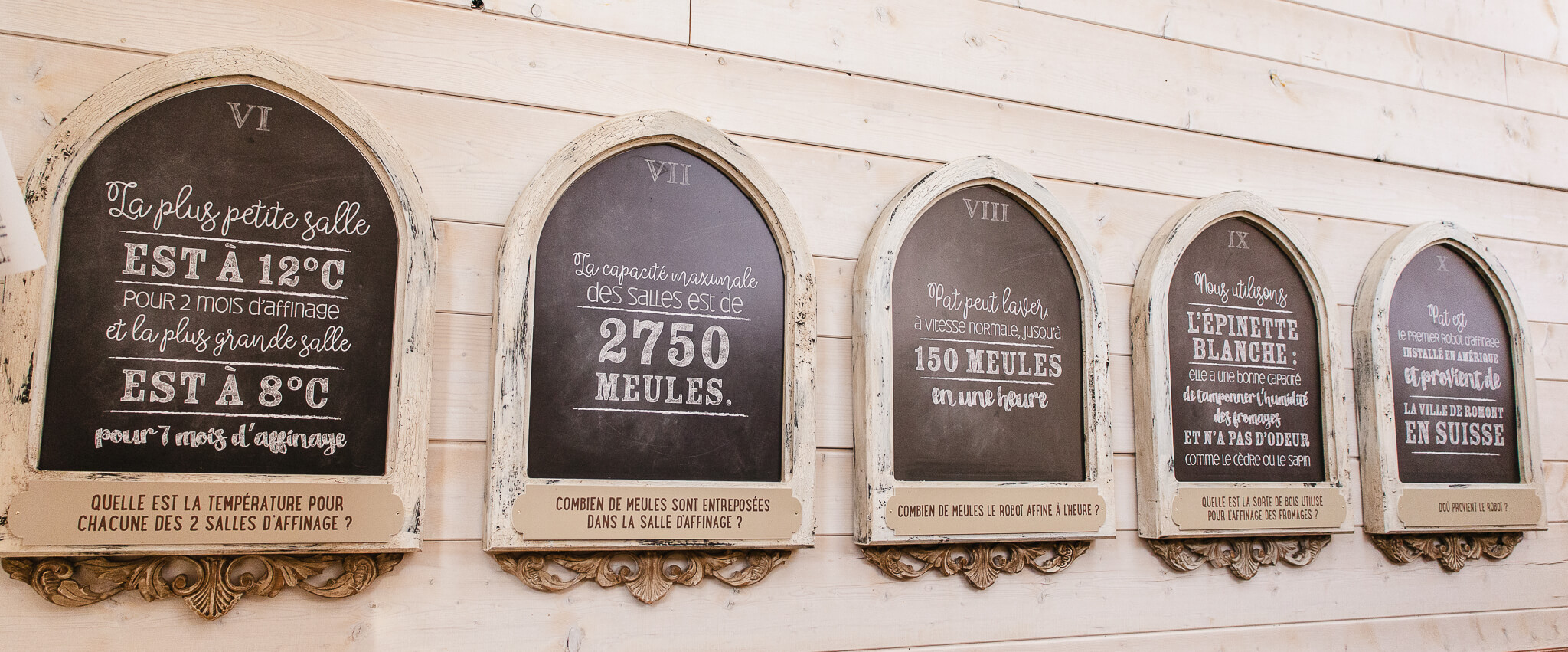
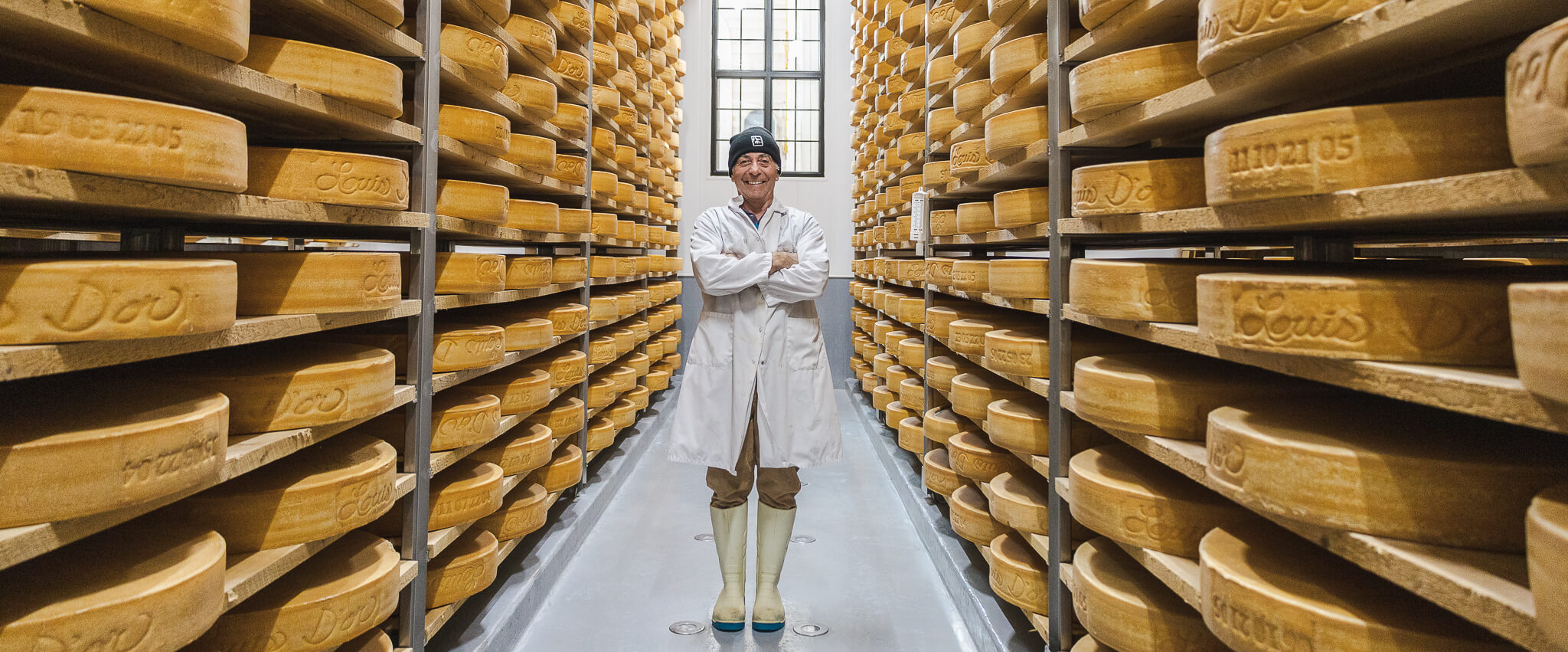
More than 2,500 wheels age and mature in what used to be the priest's bedroom. Before it lands there, the cheese goes through four other phases: curdling (coagulation of the milk), processing of the curds, draining and moulding, and salting. To meet high-demand, Jean has big plans to expand his aging room to give more space to his well-established collection of cheeses including Religieuse, Laliberté, Brie paysan or the famous Bleu d'Élizabeth.
Fromagerie Au Gré des Champs - Saint-Jean-sur-Richelieu, QC.
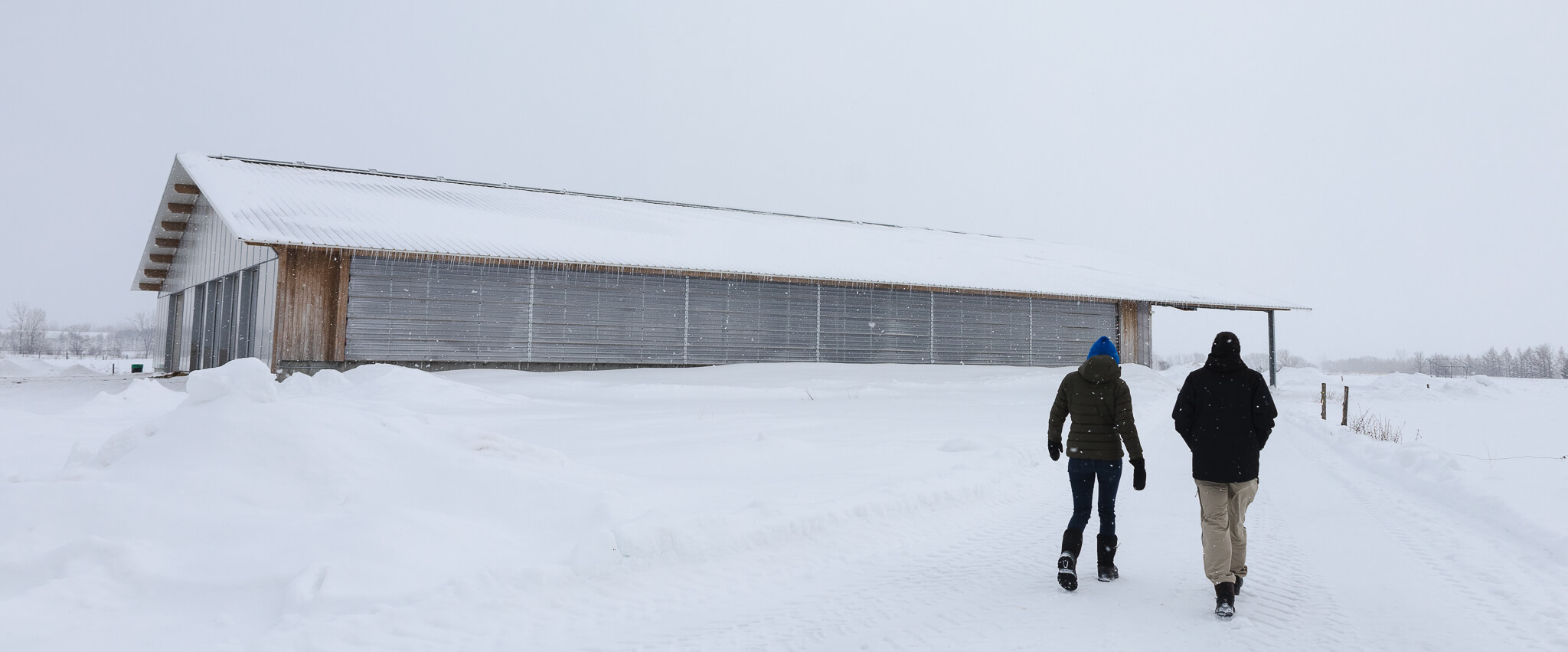
Following in her parents’ footsteps, Marie Pier knew one day she’d want to take over. Most of her time is spent improving the quality of life of her 50 or so Brown Swiss, Montbeliarde, and crossbred cows by managing the spacious (17,000-square-foot), bright, free-stall barn pictured above.
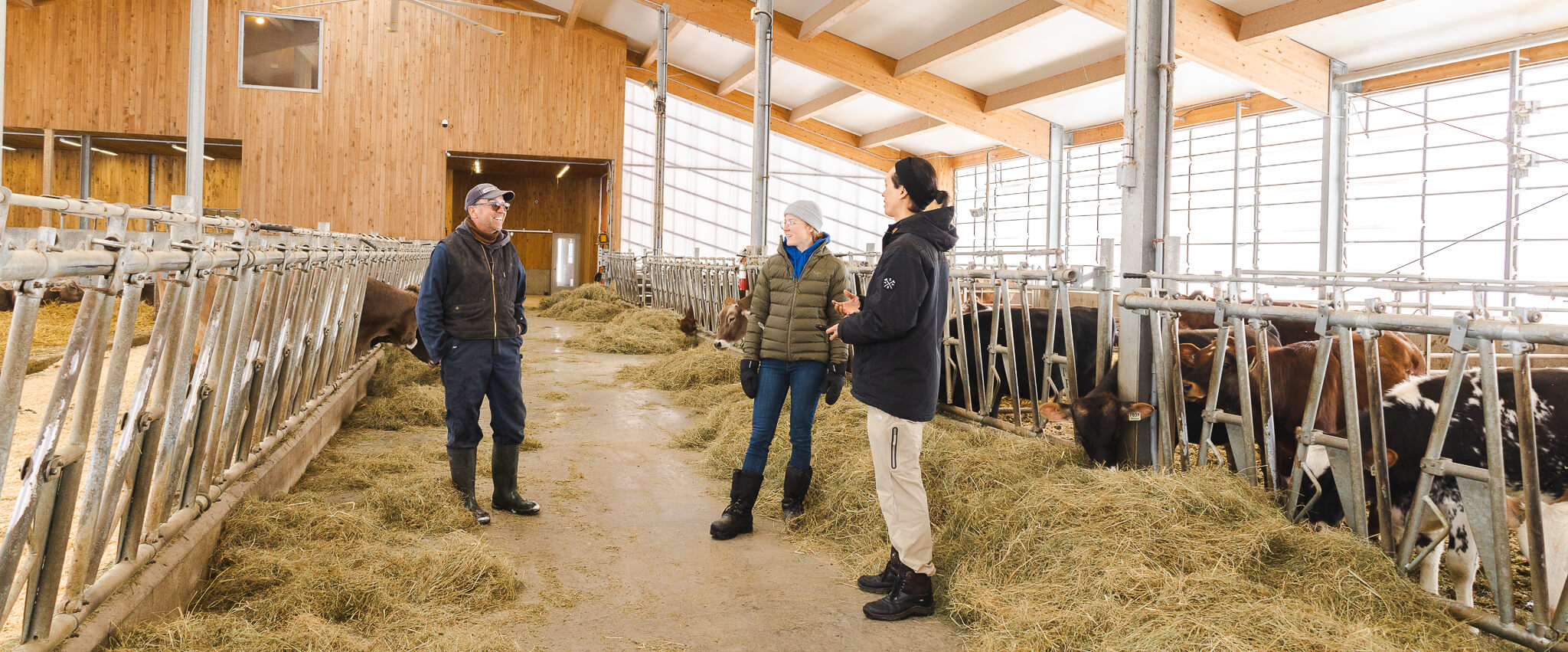
One visit is all it takes to see that Au Gré des Champs' standards far exceed the requirements of their organic certification. In the summer, the Gosselins operate an agro-ecosystem by practising rotational grazing where they move the cows around section by section twice a day in order to diversify their intake.
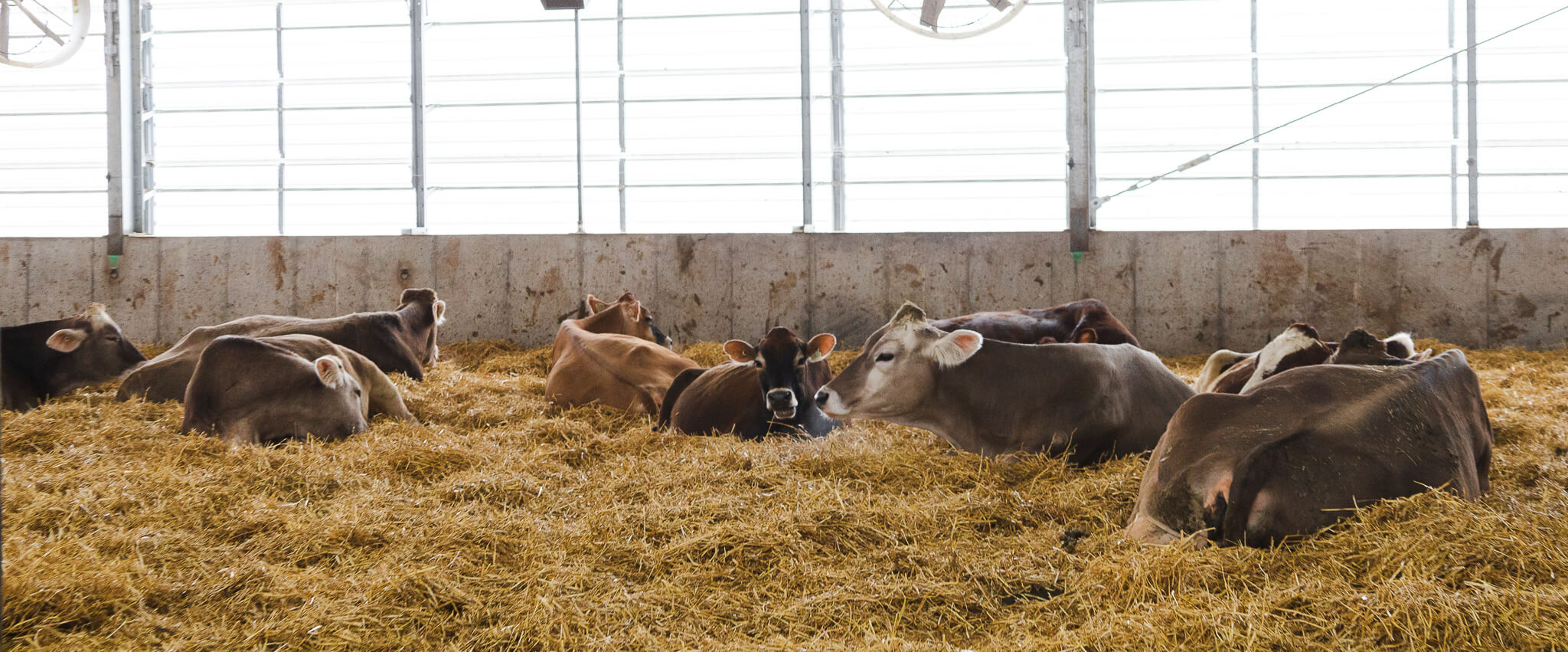
Marie Pier’s cows enter a parlour to milk in the morning and evening, giving them time to rest for the remainder of the day. She prefers this over an automated robotic process, where the animals might be milked too quickly or too often. According to her, to produce first-rate cheese, it’s better to leave as much time as possible for the fat to form in the udder (who knew!).
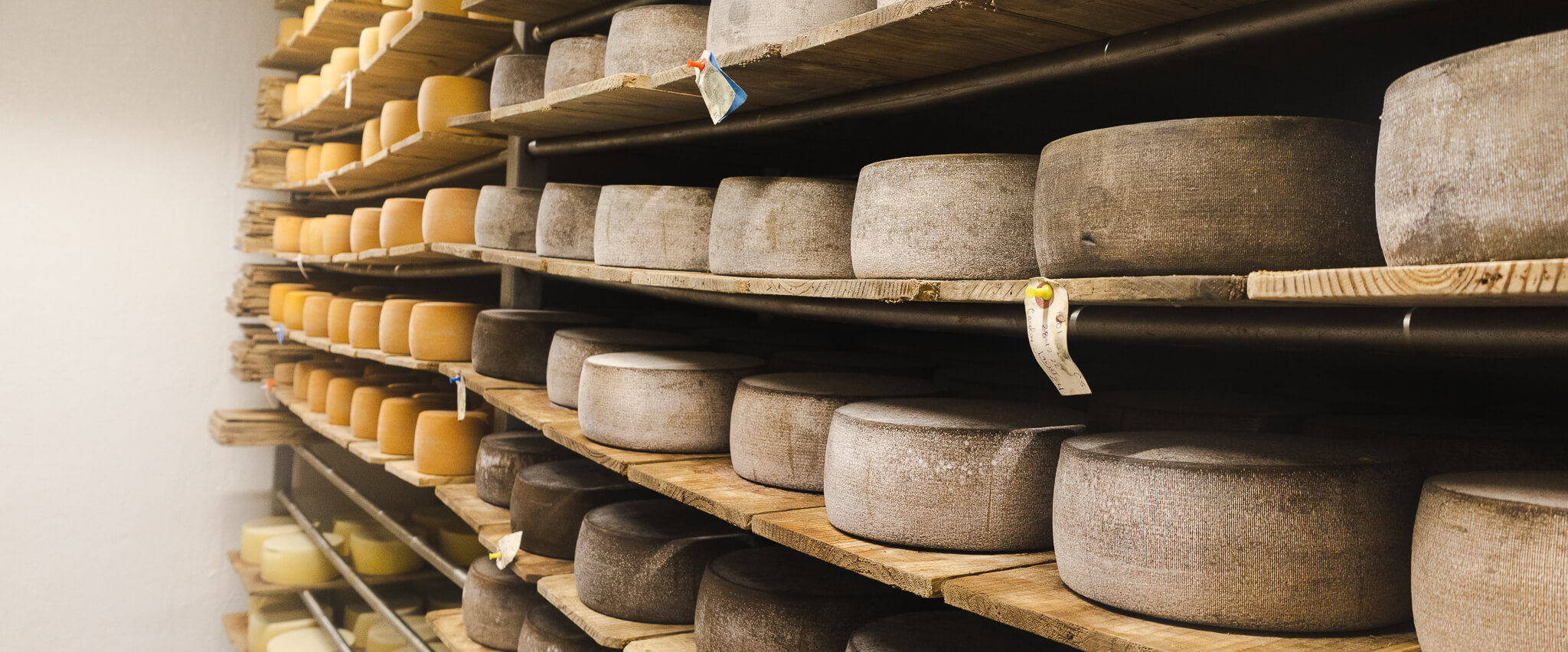
Renovated last year, their cheese factory processes their own raw (aka unpasteurized) milk. The result? A cheese that varies with the seasons. Since the cows’ diet changes from grass to hay in the colder months, their winter cheeses are milder and contain a higher fat content. They indicate it right on the label - so go ahead, compare and taste the seasonal differences between each bite.
What are you waiting for…try their cheese!