 Mobile app
Changing the game with Érablière du cerf rouge and Nid'Otruche.
Our team is all for responsible protein - from diehard vegans who find great alternatives to mindful omnivores. Values may vary, and arguments can even sometimes heat up the office, but a few things always stand out: a balanced diet, less is more (we can all agree steak shouldn’t be an every night thing), and sustainable local sourcing with transparent ingredients and animal welfare should be at the forefront.
That brings us to game meat. These partners are raising alternative meat options to help diversify consumption in an impactful way. Typically, small-scale game meat producers have a lower carbon footprint due to the nature of their operation. There's much less monoculture feed production required, since game animals source their feed right from under their hooves (so to speak) and eat diversified diets from their grazing range itself.
We’re introducing two new partners in this arena and sat down with them to learn more. Meet Maxime from Érablière du cerf rouge and Nicolas from Nid'Otruche.
Érablière du cerf rouge - Saint-Adrien, QC
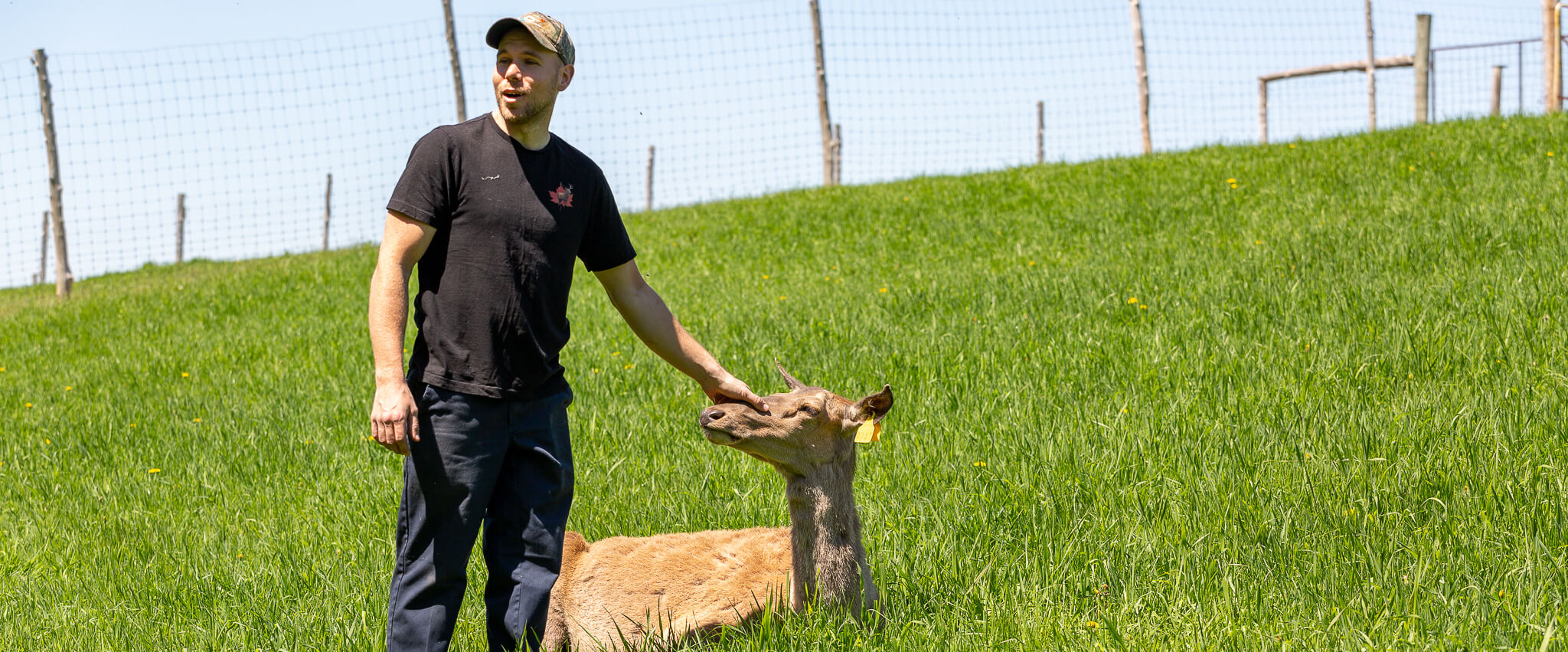
With experience in dairy farming and responsible animal rearing, Maxime decided to try his hand at raising deer and founded Érablière du cerf rouge in 2016.
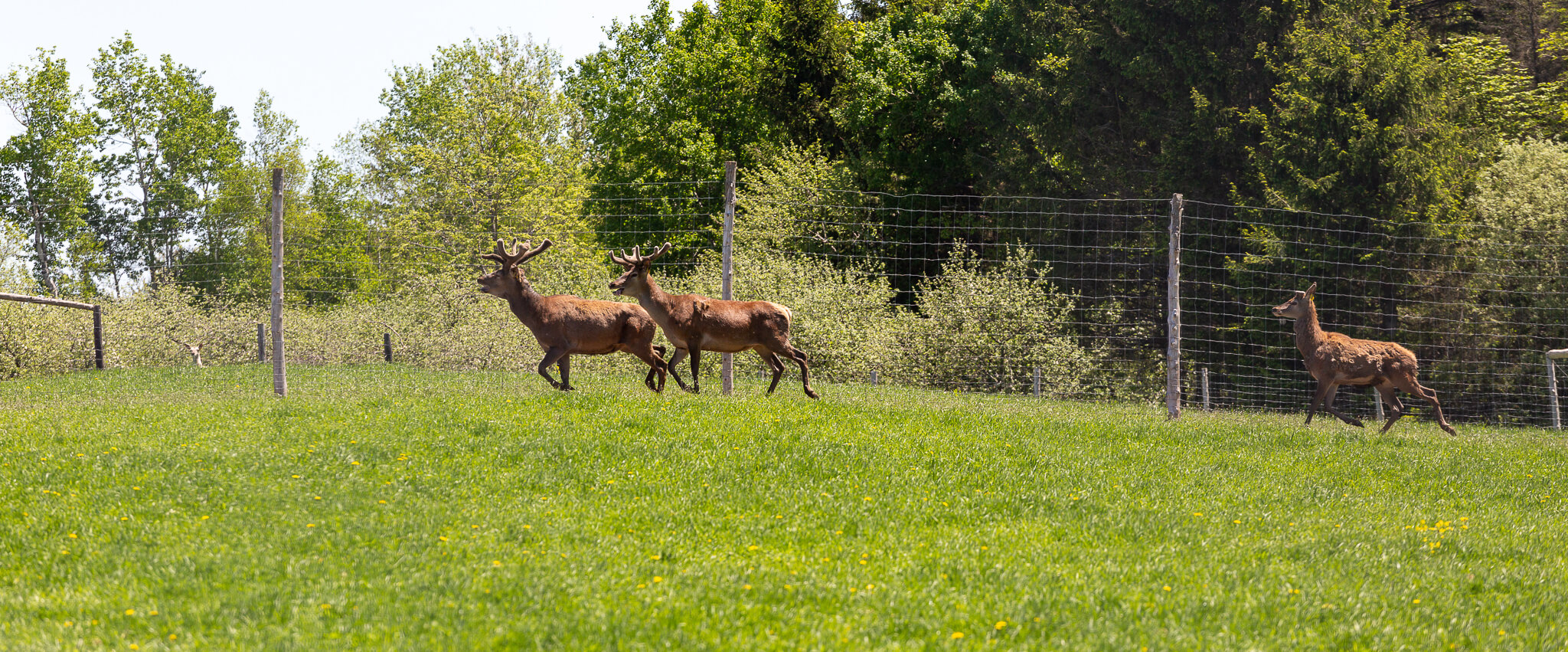
Maxime’s red deer live freely on a pasture of five acres, allowing them to develop agency and natural relationships within the herd.
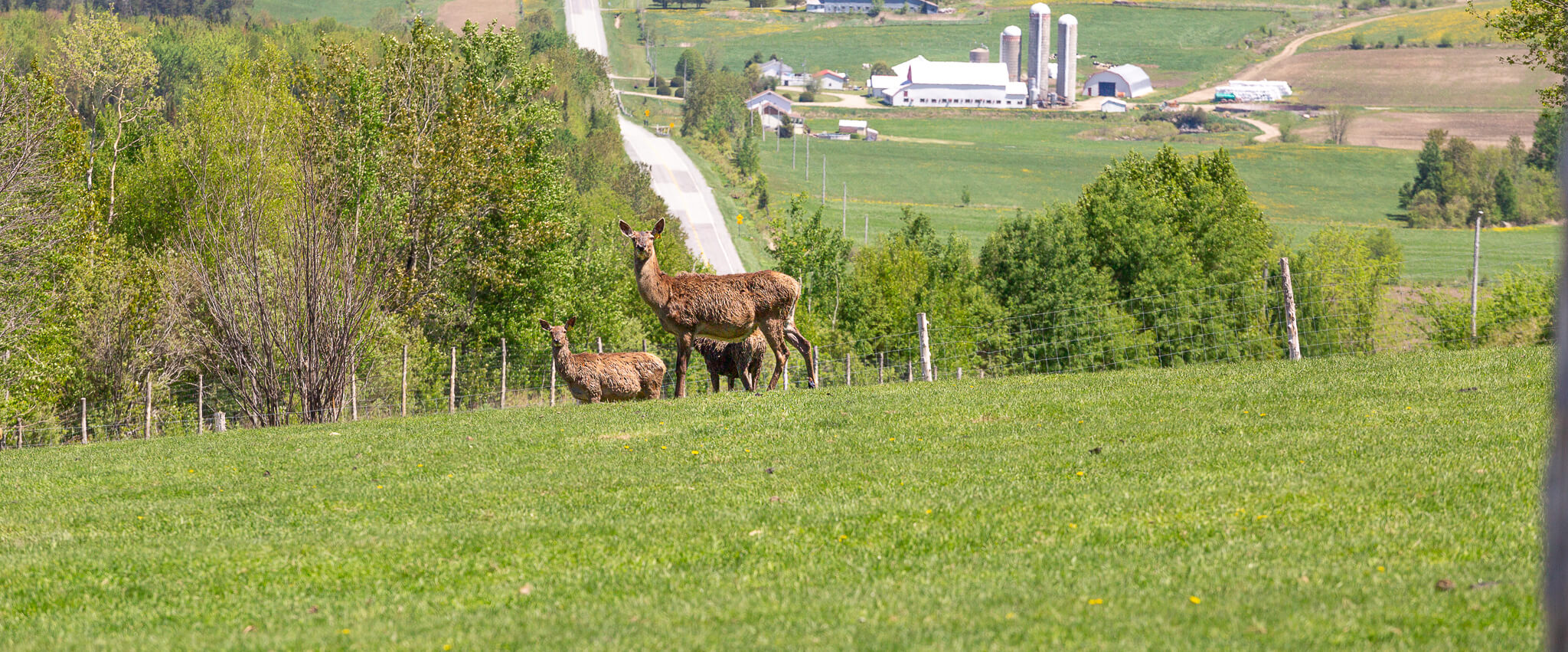
When farming deer, there's no need for intensive monoculture, since the vast majority of their diet is grass. Maxime uses an oat mix during the winter and every once in a while in the warmer months for a nutritional boost.
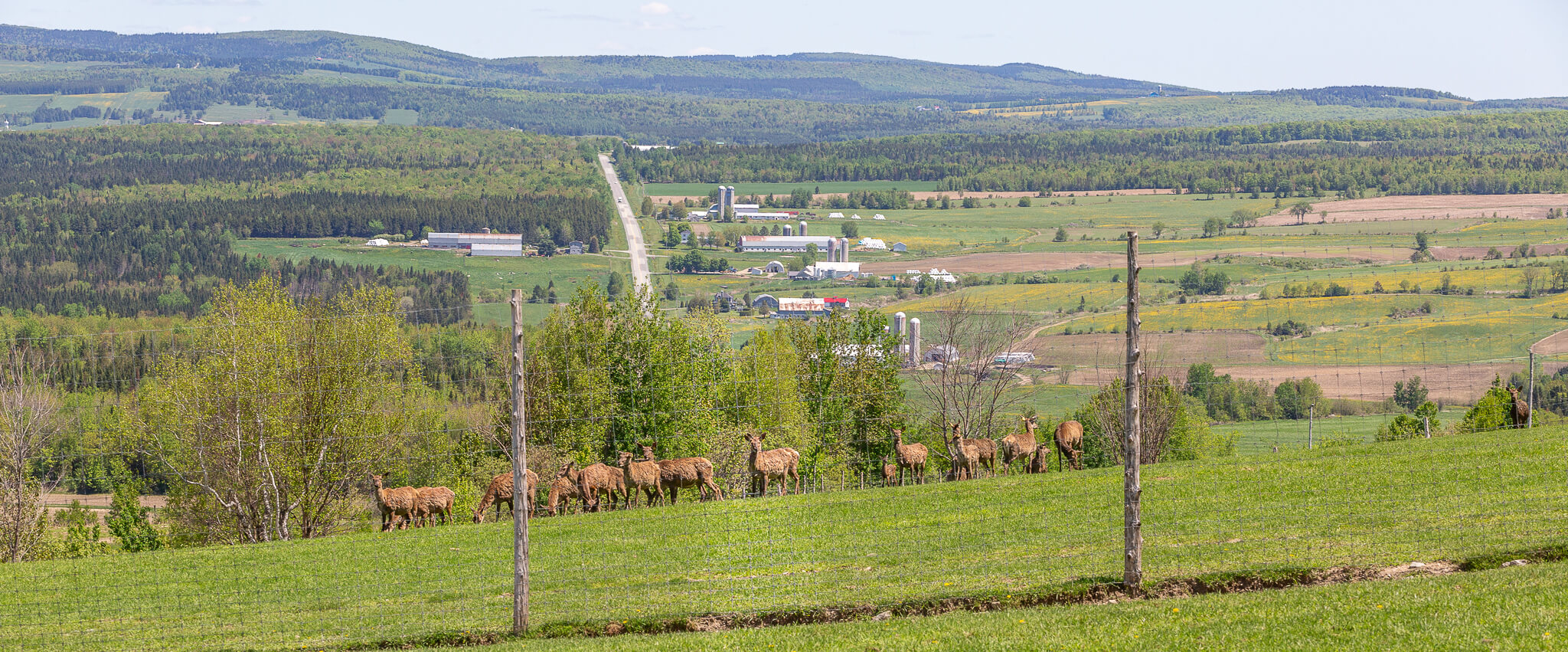
When it comes to reproducing, Maxime’s doe and buck are given complete autonomy, allowing nature to play out at its own pace - a strategy that he’s found extremely effective for his animals’ wellbeing.
Nid'Otruche - Saint-Eustache, QC
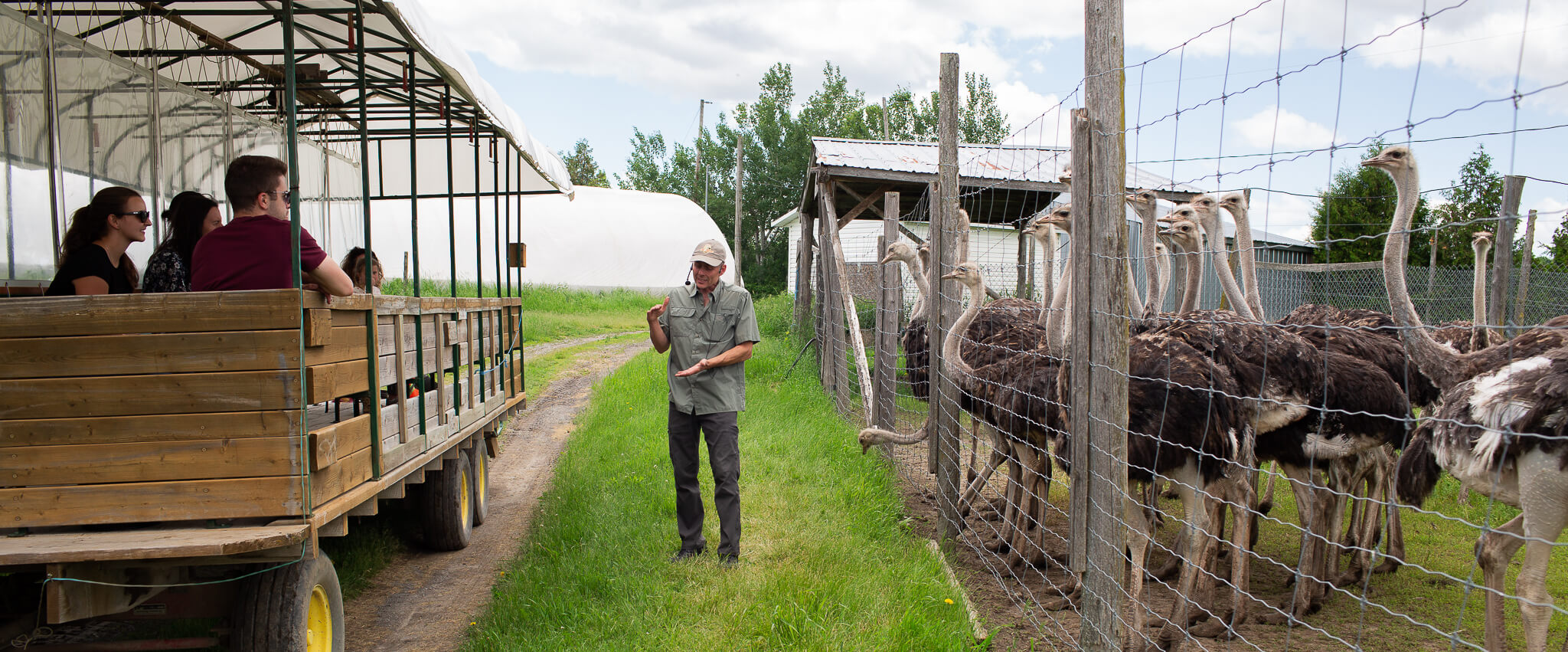
You don't want to get in the way of Nicolas and his enormous winged friends. After interning on an ostrich farm in Winnipeg, he started his business raising these imposing animals.
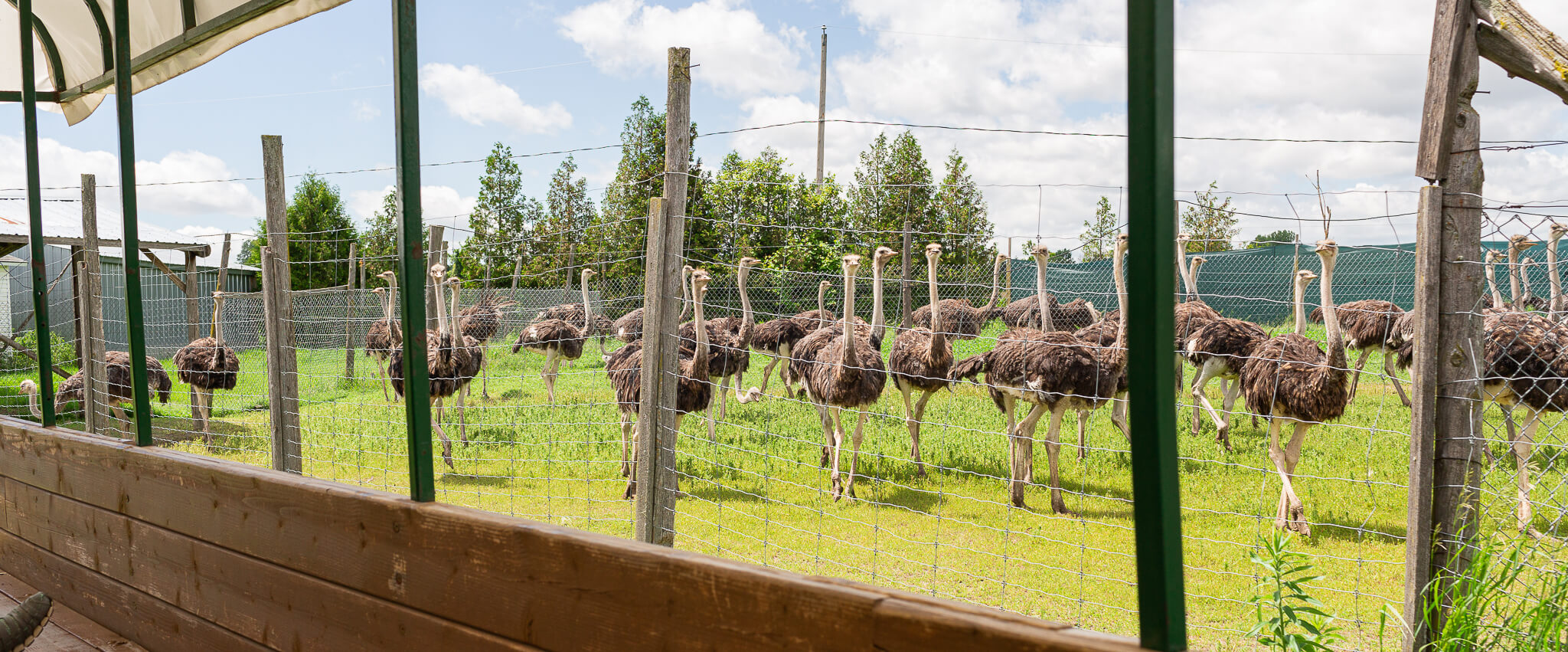
Ostriches are given five one-acre exercise parks to roam freely. In the summer, these large birds have access to the outdoors but in the winter, in order to prevent slipping, they live in several greenhouses built to replicate their habitat.
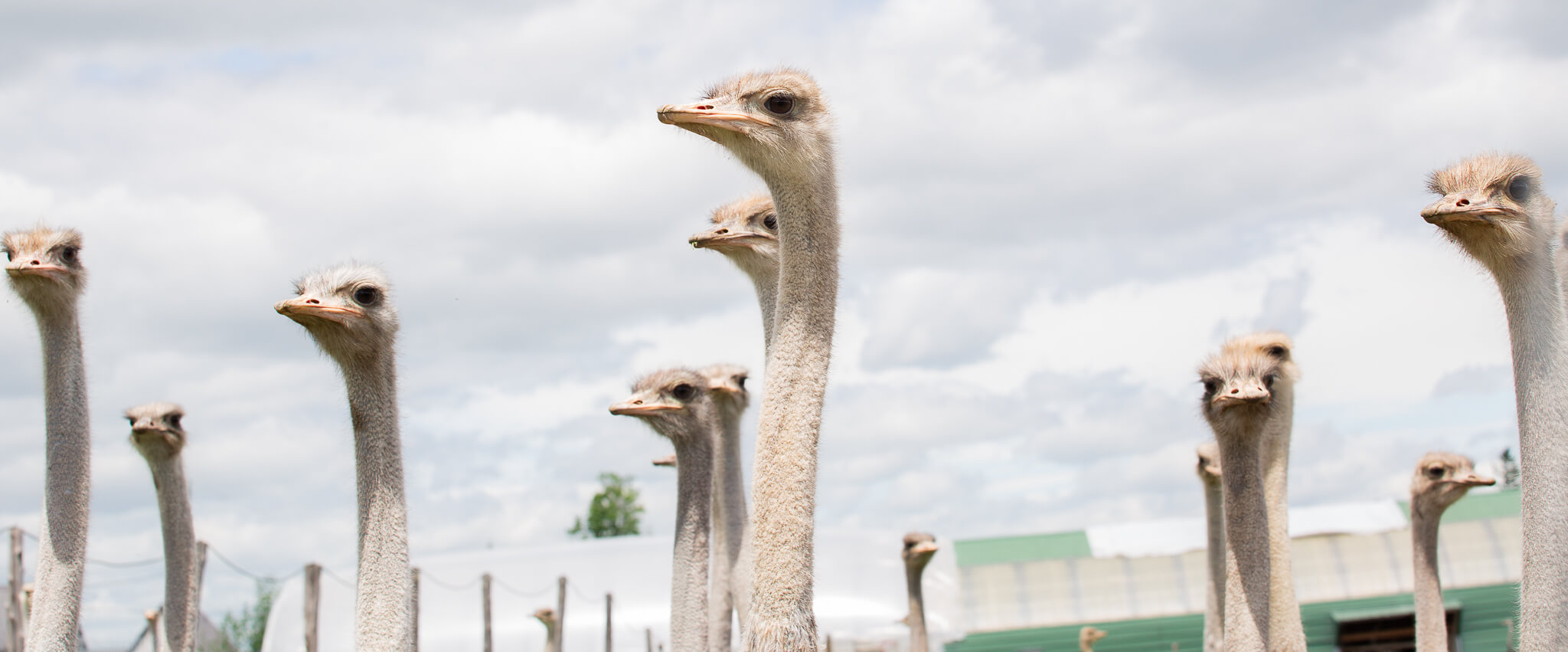
Ostriches eat a mixture of feed mainly composed of alfalfa produced on site, corn, and barley among other grains. Fast fact: Most birds don’t have teeth and actually eat rocks to help with digestion.
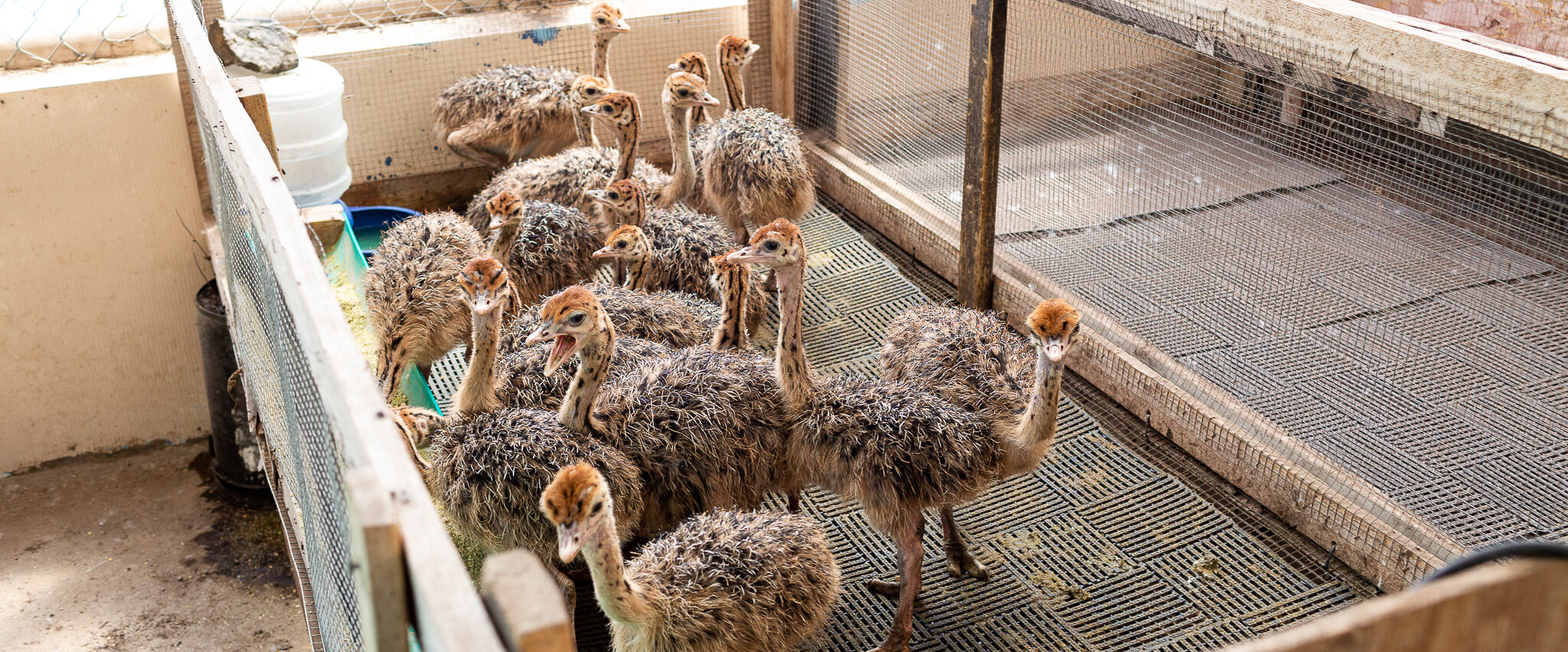
There are eight breeding groups at Nicolas’ farm, and other than playing matchmaker, he stays out of their reproduction completely.
To learn more about these partners and get into game, check out the Marketplace.