 Mobile app
A deep dive into our principles for sustainable seafood.
For a long time, the ocean has been treated as an infinitely abundant resource. Today, growing demand and industrial fishing practices have put huge amounts of pressure on our marine ecosystems, complicating the issue of sustainability in the seafood industry. Shifting factors like climate change and overfishing mean that the state of our local waters is constantly in flux. Without proper oversight, commercial fishing methods can damage the delicate marine ecosystem or accidentally harm non-target fish, including vulnerable species. Aquaculture on the other hand receives criticism over potential wastewater pollution and the risk of disease transmission to wild fish populations. That said, well-regulated fishing and responsibly managed aquaculture can minimize harm while supporting the livelihoods of fishing communities.
Over the past year, our team has done a deeper dive into the subject, redefining our criteria to make sure we fill your plates with seafood that you can trust.
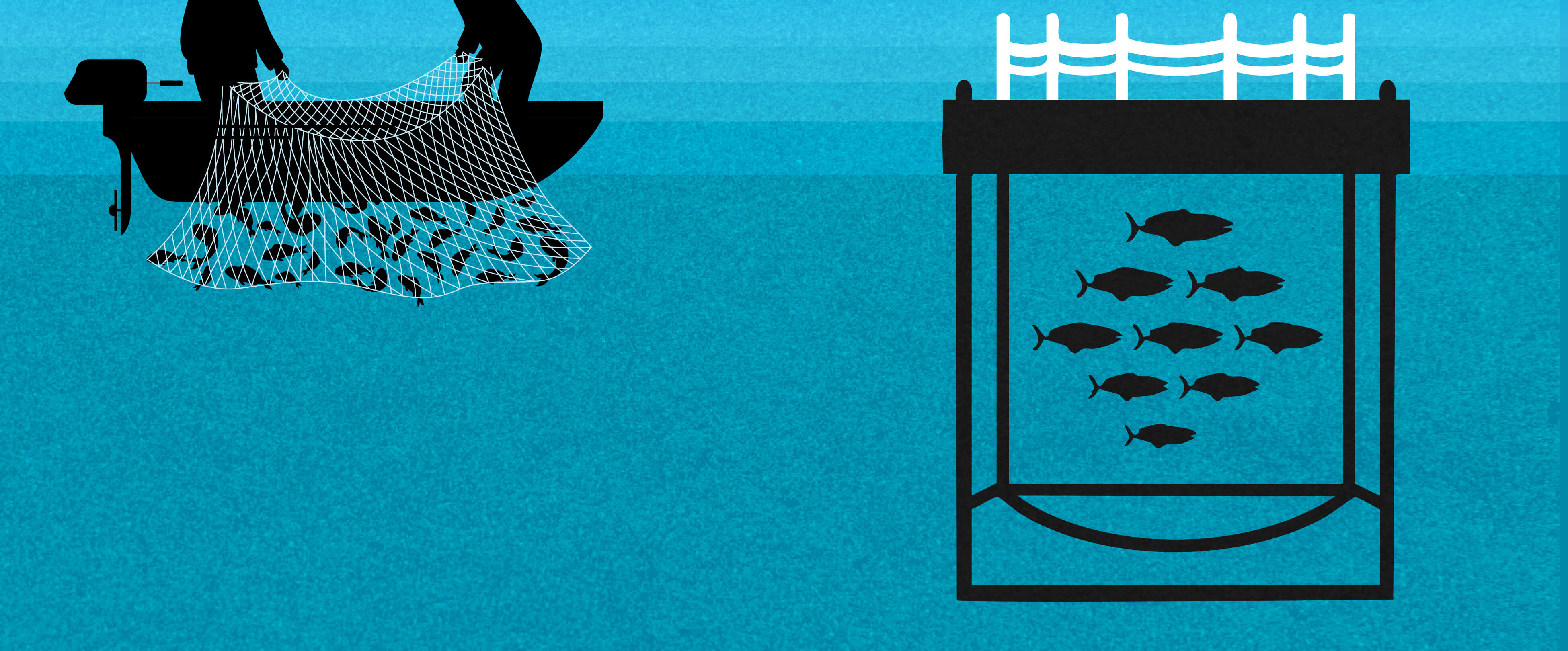
To stay on track, we’ve outlined four core principles guiding our mission for sustainable seafood:
- Traceability. We want to know exactly where our seafood was caught or farmed, and who’s steering the ship.
- Environmental impact. We choose seafood harvested or farmed with minimal impact on the environment, avoiding things like habitat destruction, bycatch, and wastewater pollution.
- Fair labour practices. We support partners who provide their workers with safe working conditions and pay their staff a living wage.
- Transparency. We’re committed to providing clear and accurate information to Lufavores about the origin and sustainability of their seafood.
To guarantee our products match our values, we choose to only stock seafood that’s certified by reputable organizations - and as it stands, only two internationally recognized certifications meet our standard of responsibility. The Marine Stewardship Council (MSC) certification oversees wild-caught fish, guaranteeing that accredited fisheries aren’t overfishing, aren’t using harmful fishing methods, and ensure the full traceability of each catch. And the Aquaculture Stewardship Council (ASC), who handle farmed fish through their established criteria for waste management, sustainable fish feed, and decent working conditions. These certifications help us verify that all of our partners’ claims of responsibility are true and independently validated.

When local options are limited, responsibility always remains our north star. Supporting small-scale fisheries and aquaculture operations in our communities is a part of our vision for a better food system. When these options exist, they’re always our priority. But some responsible seafood staples aren’t always available in Canada, and to offer them we need to find alternatives that align with our values, even if they come from further away. It’s our goal to offer Lufavores only the best of the best, so that you can find the most responsible versions of your favourites all in one place.
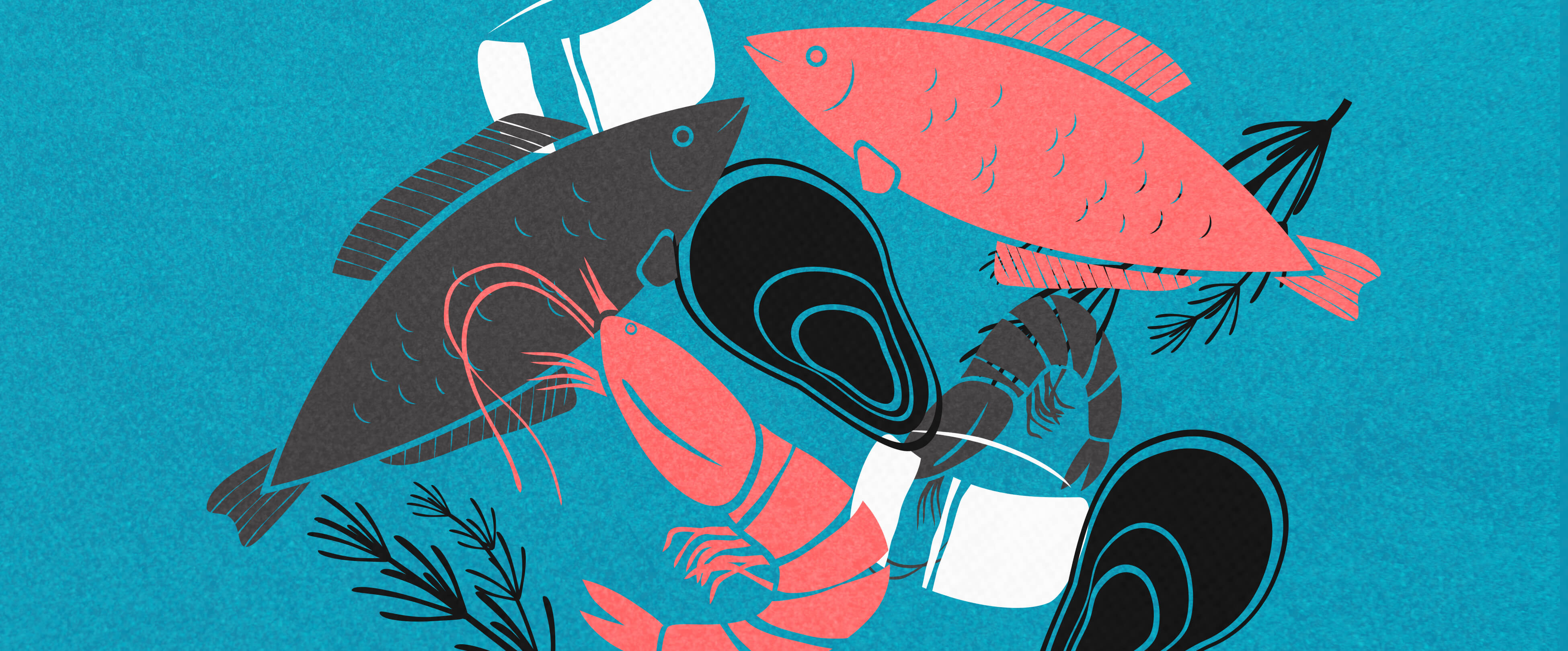
Our seafood selection is ever-evolving, always adapting to the seasons and changes to local fish populations. We expect our partners to keep an open dialogue with us, making sure our team is in the know about any changes or challenges. And every six months we audit our entire seafood category, checking wild population numbers and confirming that all relevant certifications are up to date. From organic PEI mussels and Nova Scotia scallops to sockeye salmon from British Columbia and white shrimp from land-based aquaculture ponds in India, we’re proud to bring a diversity of responsible seafood to your baskets week after week.